I was alerted to this historical event by a Reader’s Digest post on MSN.
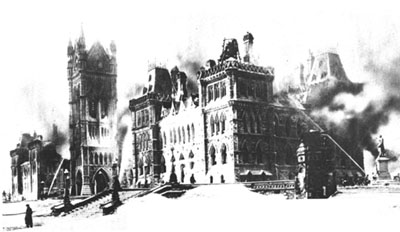
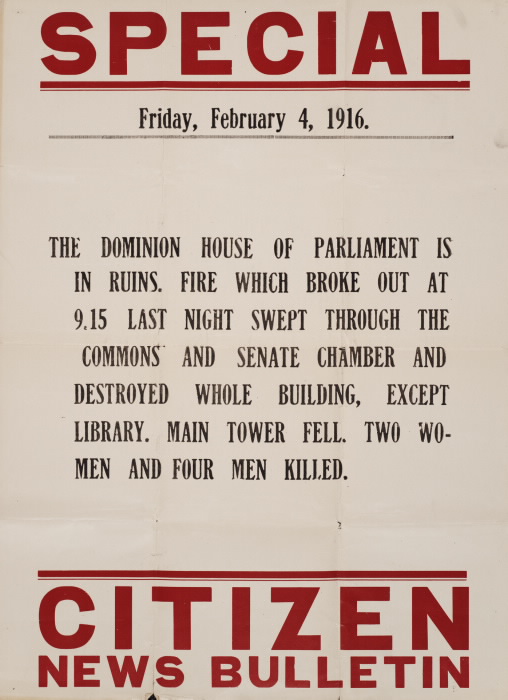
The fire started at 8:37 p.m. in the Centre Block near the House of Commons. Francis Glass, an MP from Nova Scotia, was in the Reading Room when he noticed a pile of papers aflame. He quickly alerted a nearby constable, but because the room was lined with varnished wood panelling and filled with newspapers, the flames engulfed it within minutes. Meanwhile, in the House of Commons, MPs were in the middle of a debate. The topic? The high prices of fish.
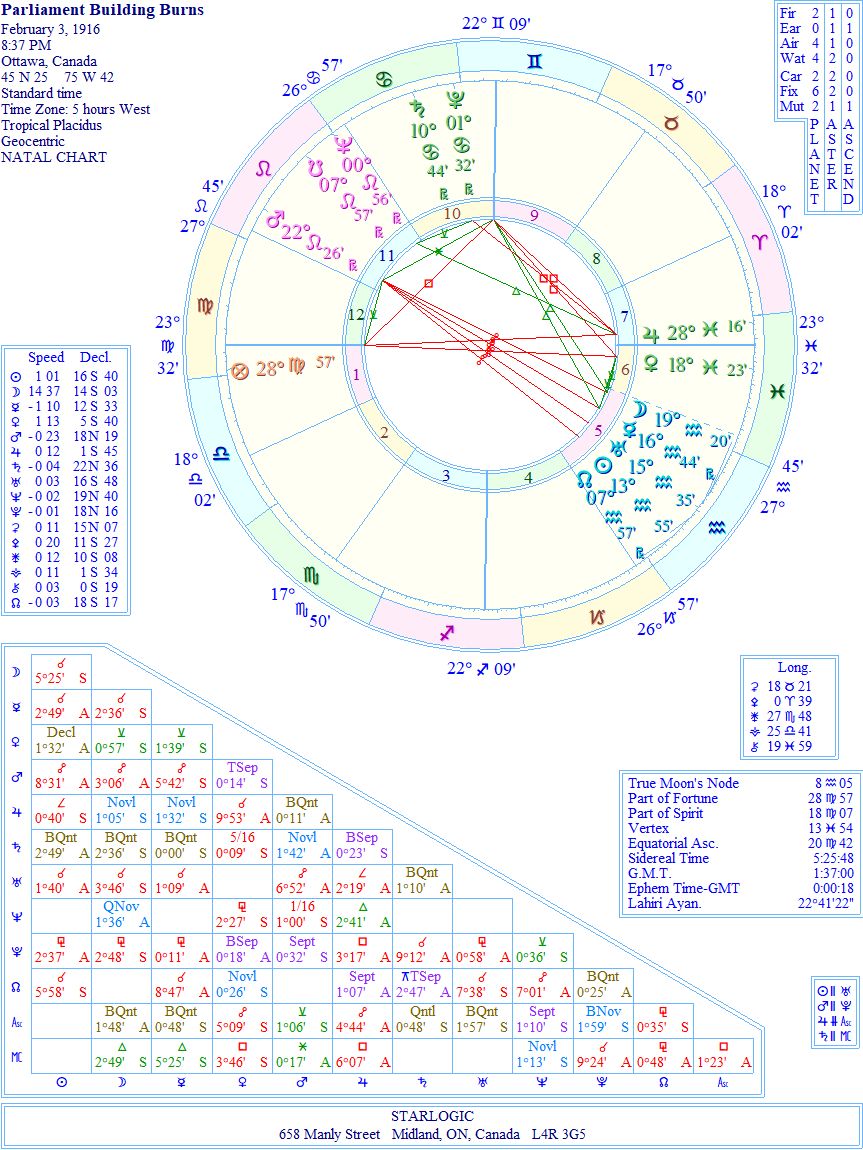
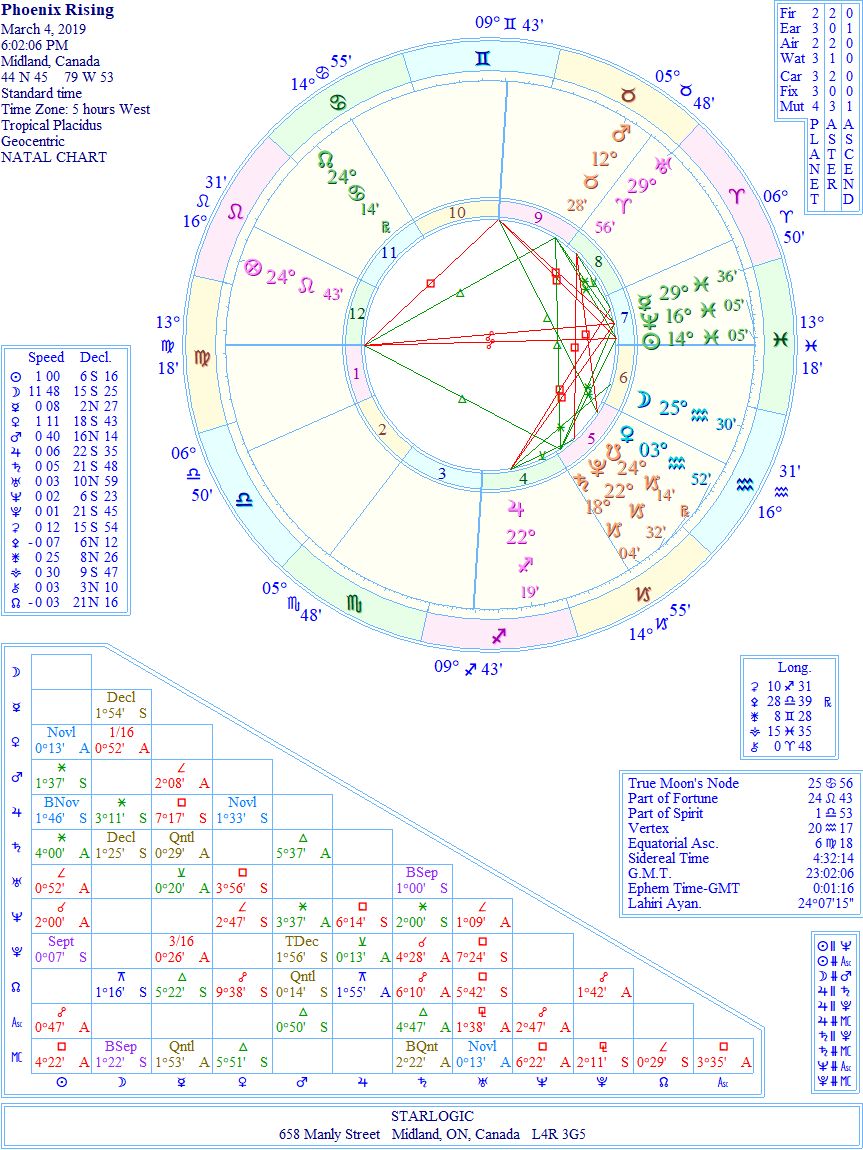
I blame it on Mars, the planet of ‘fiery’ emotion. Its opposition to two planets and two lights in Aquarius seems spectacular. And the double T-square of the Ascendant and Midheaven with Venus/Jupiter on the Descendant seems to fit the timing of the event to a ‘tee’. The extra push of a square between Jupiter and Pluto may have been the ignition spark. The trine between Jupiter and Neptune means that the cause is still unknown.
David and I have been friends since his days on BBC Radio Devon & Cornwall. In 1992, I was his guest on the Sunday Late Show over several weeks. My first time was the week before his D-Day anniversary show. This is chronicled in my book “At This Point in Time”.
As a D.J. and show presenter, David has had an interesting career, including national news coverage about a complaint about the N-word in a song from the early 1930’s. One complaint…
(Did you even hear it? I didn’t.) But to quell the controversy, David offered to resign from the BBC. They accepted. Then the newspapers had a field day, since other presenters (like Jeremy Clarkson) had done the same without any consequence. This was back in May of 2014. It seems to me that the ‘cancel culture’ took an early hostage.
By the time I knew David, he had a slight tremor in his right hand. It made for a tricky job lining up records on the turntable, which was made easier by the takeover of CDs in musical history. But David has always worked through his physical restrictions. And now, all these years later, he is acting in TV dramas, such as an episode of the BBC’s “Doctors” this past month. He had previously been on ITV’s “Casualty” eight years ago. (He sent me an abridged video file of his “Doctors” performance, and I must say that it was masterful.)
Yesterday, I discovered Lewis Adler’s YouTube videos. Here is the one I shared on Facebook:
This is an excellent example of David’s ‘one-in-a-million’ voice.
Here’s the other video:
That bio-bit about David being a rock musician earlier in his life may be a hint as to why he’s got dystonic tremor now.
The cause of dystonic tremor isn’t really well known, but it doesn’t seem to be degenerative – so cells aren’t dying in the brain. It might be the fact that a little damage has been done – a tiny blood vessel gets blocked off. Or alternatively, we see it in patients who might have a specific profession like bricklayers or musicians, where they’re doing a repeated action that they don’t think about – repetitively. Interestingly, what causes the tremor is this dystonic phenomenon and dystonia is something that you may not have heard of, but you will have heard of dystonic conditions, such as writers cramp or torticollis. So torticollis is where the neck is twisted off by contractions of the neck muscles. Whereas writers cramp, of course as you’re writing the hand goes into a spasm.
For a week, our gas furnace has been shut off. When we had it looked at to have it maintained, there were two cracks in the heat exchanger. So now we must get a new furnace. Simple, eh? Not at all.
The engineer who serviced the furnace said she would get someone to give us a quote. In the meantime, we contacted three other companies to do the same. The first man came on Monday. Their company specializes in renting heating equipment, on a never-never plan. Hmm. We’d not considered that. It would save us from having to dip into our pension money, but the full cost would have been double (at least) by the end of seven years. And then what? Susan’s family didn’t like the sound of that, especially as we might want to sell the house at some stage, down the road.
The sales representative from the original company finally came on Wednesday. Susan’s grandson’s German Shepherd, Raven, didn’t like him, one bit. She even lunged at him, which is totally unusual. When Raven was sequestered, the man reluctantly came in. But he was on edge. He spent all of 15 minutes in our house, and without giving us any details, fled to the security of his van. Very late the next evening, (Thursday) he sent a series of quotes…for air conditioning.
Meanwhile, we knew by then that one of the representatives had let us know that he couldn’t make it until early next week. He only lives around the corner from us!
Finally, the fourth man arrived late yesterday afternoon. He had a briefcase with him. But when he opened it, he realized he’d grabbed the wrong one: air conditioners, again. (Well, it is that time of year, after all.) But, despite this setback, he proceeded to sell us the gas furnace information that we wanted to hear. His email quote later in the evening confirmed what he’d verbally related to us. (I’m inclined to go with him since he persevered.)
The Exact (Local) Moment that Mercury Turned Direct Yesterday
Let’s Recap the Timing
May 26th: we were told we needed a new furnace
May 30th: the first salesman offered us rentals
June 1st: the second one escaped with his life
June 3rd: the third one muddled through, somewhat successfully
With Mercury going direct again, yesterday, the confusion around the furnace has lifted. And despite the fourth man waiting until next week, I feel like we’re finally getting somewhere. So, don’t let anyone tell you that Astrology is just a bit of nonsense. The proof is in the way things turn out.
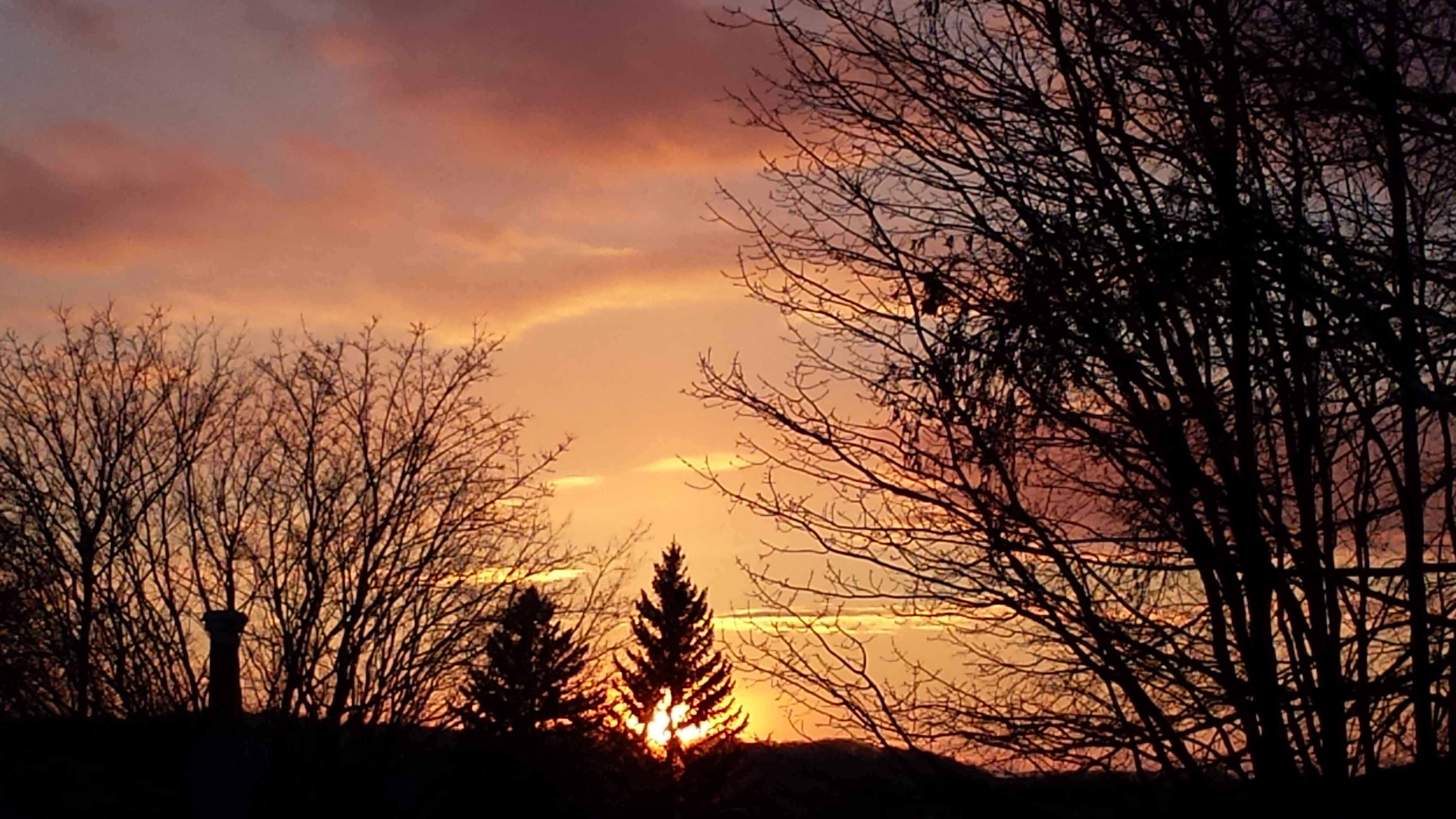
There’s a truth that comes when your mobile phone camera’s metafile details are attached to a photo.
The title of this one is: 20190304 180206 (2) (because I enhanced the view of the neighbour’s fir tree).
Two day’s later, on my youngest daughter’s 39th birthday, the Sun and Neptune would have been exactly conjunct. (I wonder if that birthday is especially significant to her.) At any rate, my intuition hinted that Neptune would somehow be involved with the Phoenix image, and, as usual, it was right.
Canadian minister Jane Philpott resigns in protest at Prime Minister Justin Trudeau‘s and the government’s handling of a scandal involving bribes from engineering firm SNC-Lavalin
Kathleen Hunt ( February 21, 1953 – December 9, 2001)
I hate to keep harping on this ‘event’ but her birth chart might hold the key to what happened to Kathleen Peterson on that fateful night.
I originally randomized the timing, but then decided that 8 am was the best fit. Unfortunately, there is no other way I can ‘prove’ this birth time, now. That double Yod (Finger of God) pointing to the 24° Pisces Ascendant is a ‘proof’ of sorts.
Saturn Inconjunct Ascendant (perhaps)
With this aspect you probably have a rather serious attitude toward life and other people. It may be quite difficult for you to simply go out and have a good time. You want to be serious and to spend all your time performing significant tasks. This attitude may have developed because you were discouraged from enjoying yourself when you were younger. You may have been made to feel that only work is important, that play serves no useful purpose. This is not true, however, because playing has a positive and useful function in the development of the adult mind and body. Not only does it serve to release tensions, but it also actually helps train you in social and physical skills that will be useful in any work you do later.
You need to be encouraged to believe in yourself and to recognize your personal strength. You have to be helped to realize that you as an individual are worth a lot and that you need to get some satisfaction from life as much as the next person does.
Neptune Inconjunct Ascendant (perhaps)
This aspect can be a sign that you feel you must give way to others in order to get along with them. This can take two forms, both of which will be difficult to handle while you are young. The less positive form is simply yielding to all outside pressure and always giving in to others’ desires. This will produce unconscious feelings of resentment that you can’t express, but that make your relationships with others rather difficult. And as you get older, if you do not learn to stand up for your rights, this problem will get worse, because you express your unconscious resentment as a martyred attitude, which makes it impossible for others to appreciate or use anything they get from you. Thus the results of your sacrifice are totally negative, because you are not happy with giving and they are not happy with receiving.
But the other, more positive, way of dealing with this energy is by giving freely before others try to take it from you. In order to do this, you have to feel good about yourself and confident that you will always have enough for yourself and others. One side of you likes to help and take care of people and will not feel taken [advantage of] by those whom you give to. In the highest expression of this aspect, what you gain for yourself will not mean as much as what you gain for others, which is the effect you should work for.
Saturn Conjunct Neptune (definitely)
Wherever this aspect affects the chart, it brings about a feeling of insecurity, as if reality itself were not quite dependable. You are fearful and tend toward depression. However, if you master its energies, you can learn to live with very little. This aspect does not necessarily mean that you won’t have physical resources, it merely means that they are less essential to you than to others. Many persons with this aspect choose to be unencumbered by material possessions, preferring to live ascetically, with few comforts. And the psychologically effect is similar, in that you may have a very great capacity to sacrifice yourself for others or for your beliefs.
Basically, you must learn to trust, not only other people, but the universe as well. You must believe that circumstances in your life will work out in your favor, because life should be no harder for you than for anyone else. However, if you succumb to the fear that can accompany this aspect, you will be subject to sudden losses of confidence, fits of anxiety and possibly fear of others.
Pluto Inconjunct Ascendant (perhaps)
This can be an indication that through experiences with others, you will be forced to undergo many significant changes in life. At times the crises may be quite unpleasant, but for the most part the results will be very positive, although for some people, they may be less constructive. But you must be very careful about the kind of people you get involved with. Choose your firnds with great care and try to find people who have a healthy outlook on life and who seem reasonably well balanced. People who are driven to extreme behavior or who act compulsively, as if they could not plan anything in advance, are not very good for you. They will get you into difficult situations that you do not need.
Also, watch for compulsiveness, or extreme behavior [in] yourself. These qualities could be quite hard for others to handle, and people will probably avoid you if you express them freely.
(The thing that strikes me about the information shown above is that this could have described her first marriage, from which she learned her lessons before marrying Michael Peterson.)
Kathleen’s Birth and Death Charts Combined
Hmm. The ‘fatal’ Ascendant transiting her natal Neptune seems significant. (Mysterious, one might say.)
The ‘fatal’ Mars transiting her natal Sun is also fascinating. Her natal Jupiter sextile Uranus is the basis of an interactive Yod pointing to the ‘fatal’ Sun/Pluto conjunction in Sagittarius, with the ‘fatal’ Jupiter transiting Uranus. Finally, the ‘fatal’ Saturn is transiting her natal Moon. Her time had come, for sure.
What do you think, Ellie? Could it have been the bird, after all?
Timing is everything, I guess. Her Facebook page (this morning) gave a couple of details: date of birth and time. I sent her a message asking where. She replied. I offered to do her birth chart for her as a gift. She accepted my offer. It took about ten minutes altogether: my dream happened two years less a week ago. Wow.
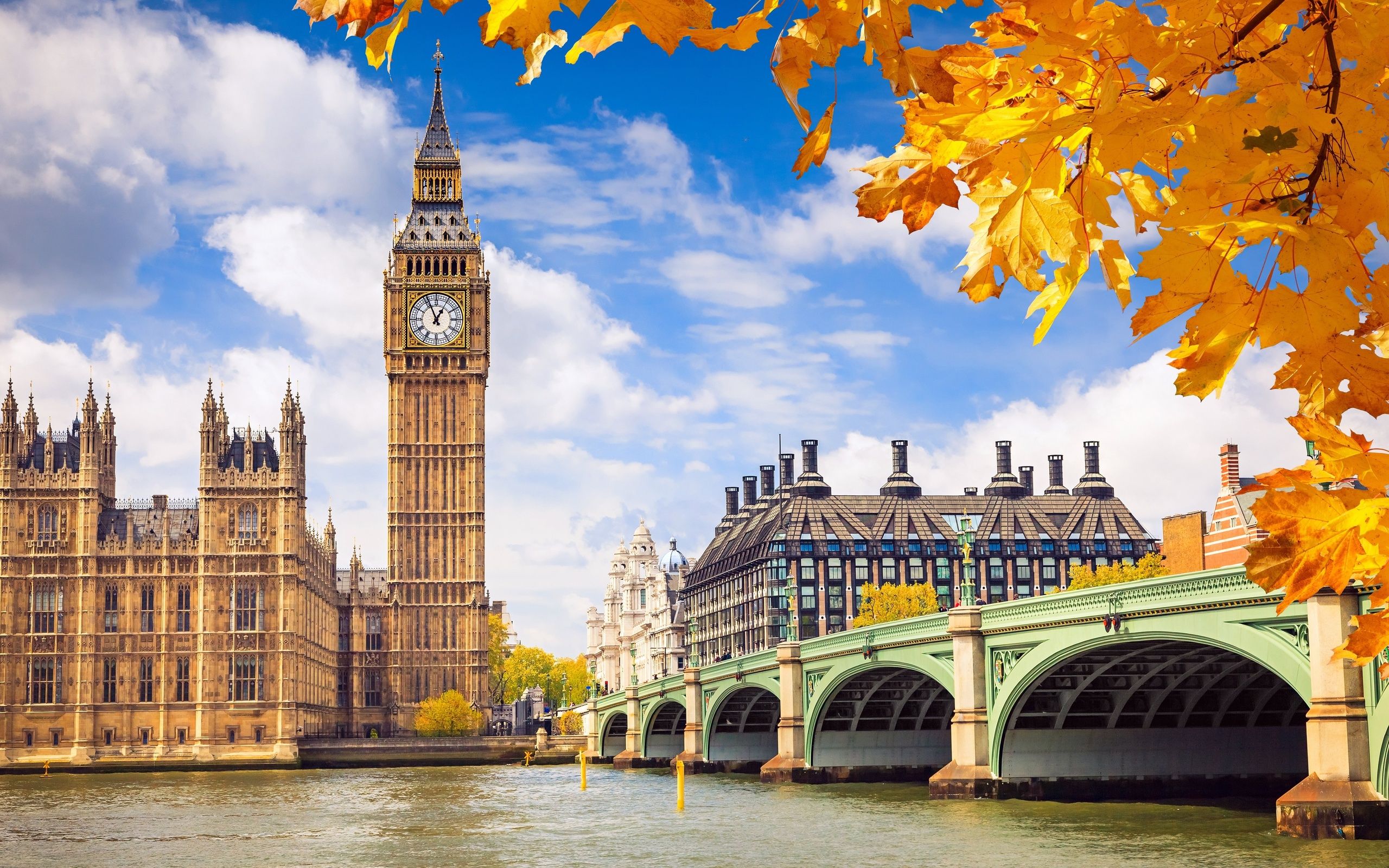
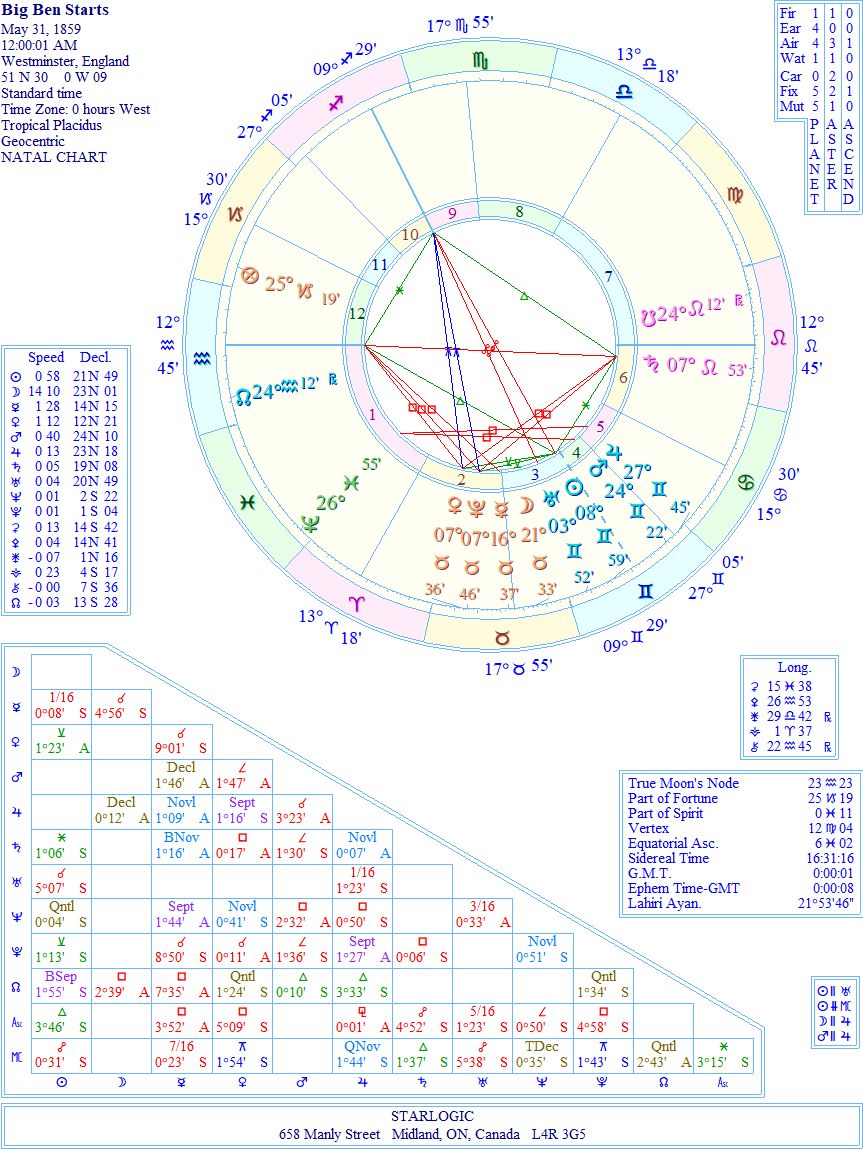
On this day in 1859: The clock tower at the Houses of Parliament, which houses Big Ben, starts keeping time in London.
I was originally going to post this one as part of my “Yesterday in History” series, but then changed my mind when I realized how significant this event actually is to democracy in the United Kingdom.
I’ve set the clock for midnight on the day. All the lights and planets are below the horizon. Saturn is in the 6th House, conjunct the Descendant. Neptune is in the (very wide) 1st House. This is significant.
Venus and Pluto are (almost) exactly conjunct @ 7° Taurus, with both inconjunct to the Midheaven.
Venus Inconjunct Midheaven
You are very likely to feel that there is a conflict between what you ought to do in a particular situation and what would be acceptable to the people around you. Often your friendships come into conflict with your parents’ intentions for you, which is difficult to resolve. Later in life, you may see your job, career or profession as a part of your life that is quite separate from your personal relationships with loved ones. This may cause you to neglect one area in favor of the other, instead of trying to create a balance between them.
This same pattern of thinking may make you believe that you must sacrifice pleasure and enjoyment in order to achieve anything worthwhile in life.
Pluto Inconjunct Midheaven
You may have trouble with older people who try to teach you how to effectively take control of your life. Even while you are young, you may resent their control over you and resist everything they are trying to teach you. To a great extent, your path in life will be shaped by your early confrontations with authority figures. Your parents and teachers should be very straightforward with you, because if you feel that people are not being honest with you, you will not be honest with them. You are quite capable of acting behind people’s backs if you consider it necessary or if you feel that you never get your own way.
(Now, I’ve written about this, to get to a point that demonstrates my point about democracy…)
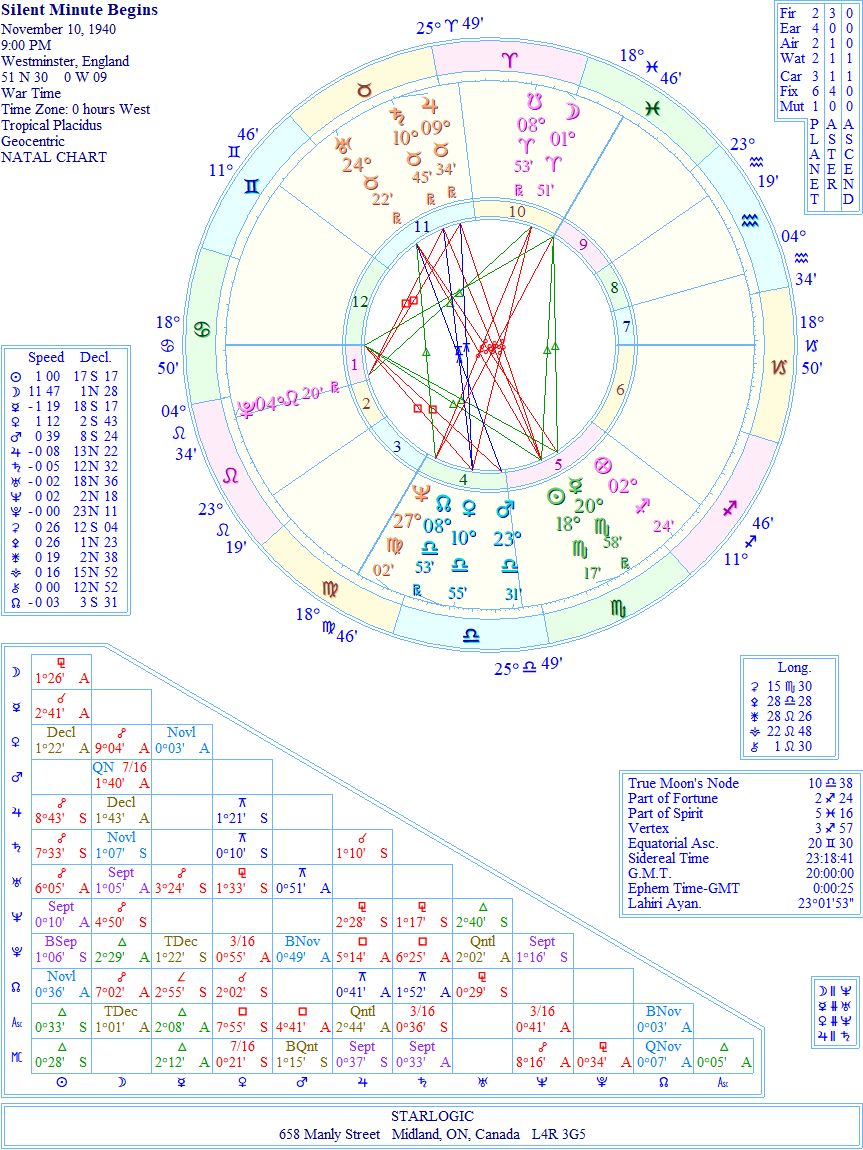
The Silent Minute was an historic movement begun in the United Kingdom by Major Wellesley Tudor Pole O.B.E. in 1940. It continues today as a London-based charity following its revival by Dorothy Forster. During the Second World War people would unite in meditation, prayer or focus (each according to their own belief) and consciously will for peace to prevail. This dedicated minute received the direct support of King George VI, Sir Winston Churchill and his Parliamentary Cabinet. It was also recognized by U.S. President Franklin D. Roosevelt and observed on land and at sea on the battlefields, in air raid shelters and in hospitals. With Churchill’s support, the BBC, on Sunday, November 10, 1940, began to play the bells of Big Ben on the radio as a signal for the Silent Minute to begin.
Wikipedia
I’ve hinted at this before, here. Now, I want to show you how one minute of silent prayer every day can make a difference in your life and in the lives of those around you.
Notice those two planets from the previous chart are active in this one: Pluto is on the cusp of the 2nd House; and Venus is inconjunct to Jupiter and Saturn (these two planets being symbolic of the United Kingdom).
Venus Inconjunct Jupiter
This can be a positive aspect if you learn to control some of its negative possibilities. You are likely to lack energy and to be rather passive. You may wait for opportunities to come to you, rather than go after them. You may not have enough energy to pursue your ambitions, or you may not have enough ambition. Or you may love your comfort so much that you are unwilling to make any effort to put up with any pain that could help you grow and develop. However, if there are any indications of energuy in your chart, you should overcome the passivity.
On the plus side, you need love and affection, and you can usually be very warm and affectionate as well. However, it is very important that you choose your close friends carefully, because you may attract people who are difficult to get along with, who order you around or act as if they are better than you. Avoid such people, for they will do you no good.
Venus Inconjunct Saturn
This aspect means that your family may make you feel that you are unworthy of love. Unless you are given a great deal of love while you are young, you will be attracted to cold and unfeeling people when you are an adult. Such people are an outward expression of your inner feeling of unworthiness.
Even without any pressure, you are likely to be more disciplined than most people your age. You don’t go overboard in anything, and you feel strongly that your worth depends on what you do and how much you accomplish.
This is a powerful way to help heal divisions and protect the world. Take a minute every day to assist, please. You won’t regret it, I promise.
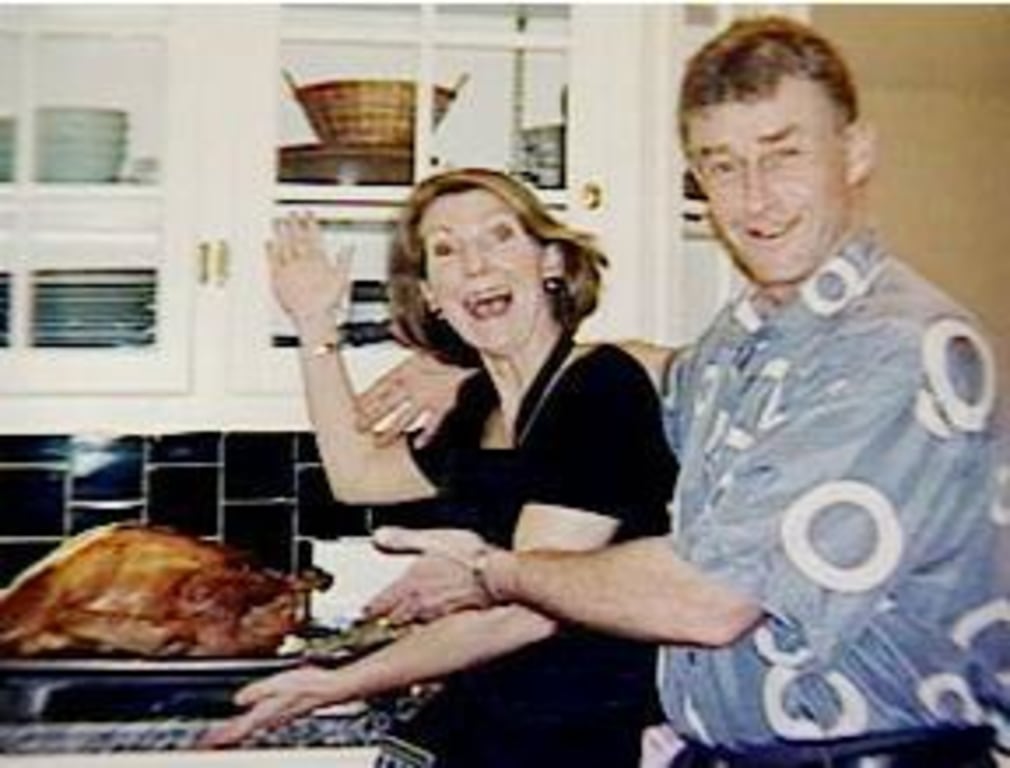
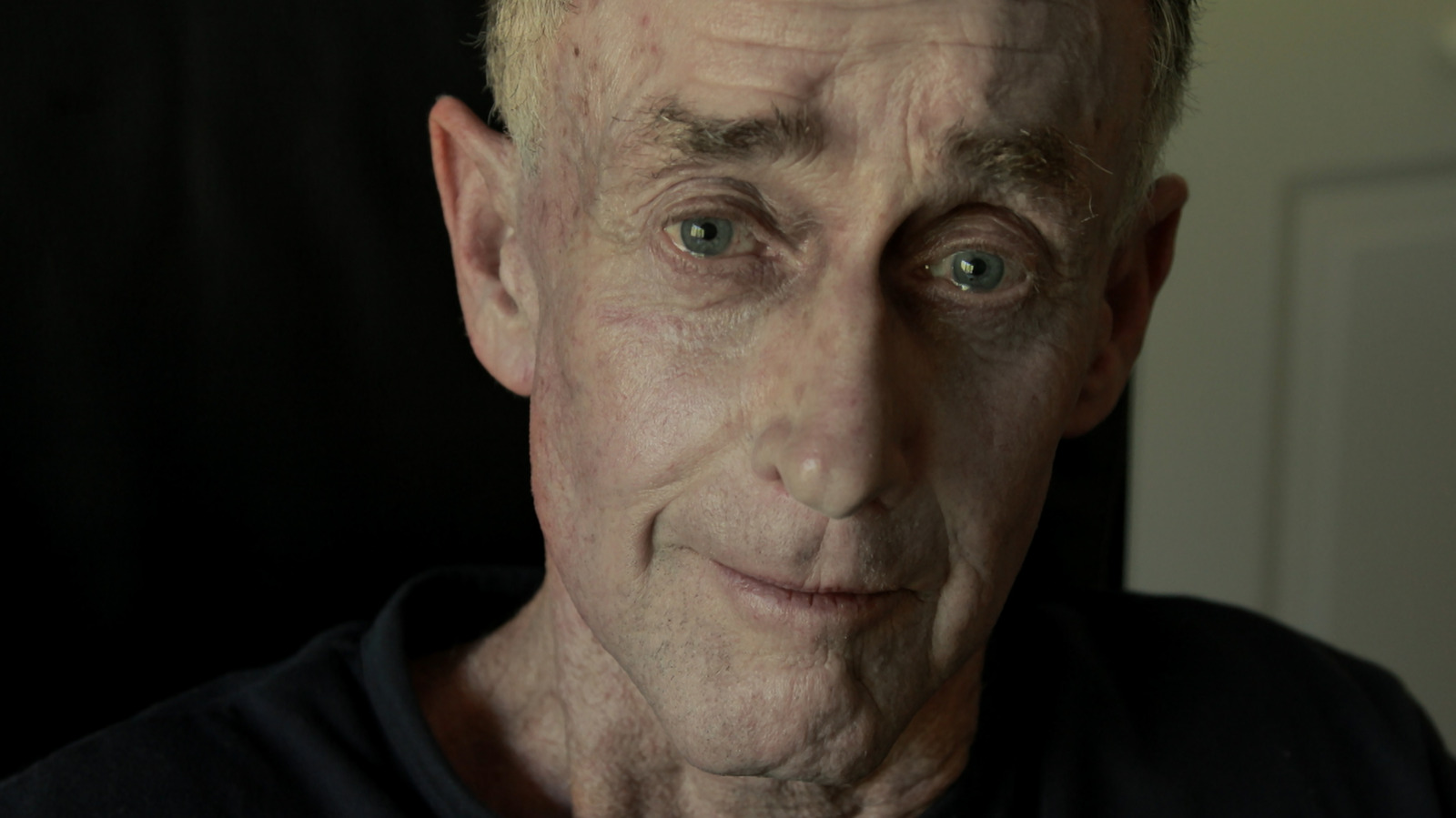
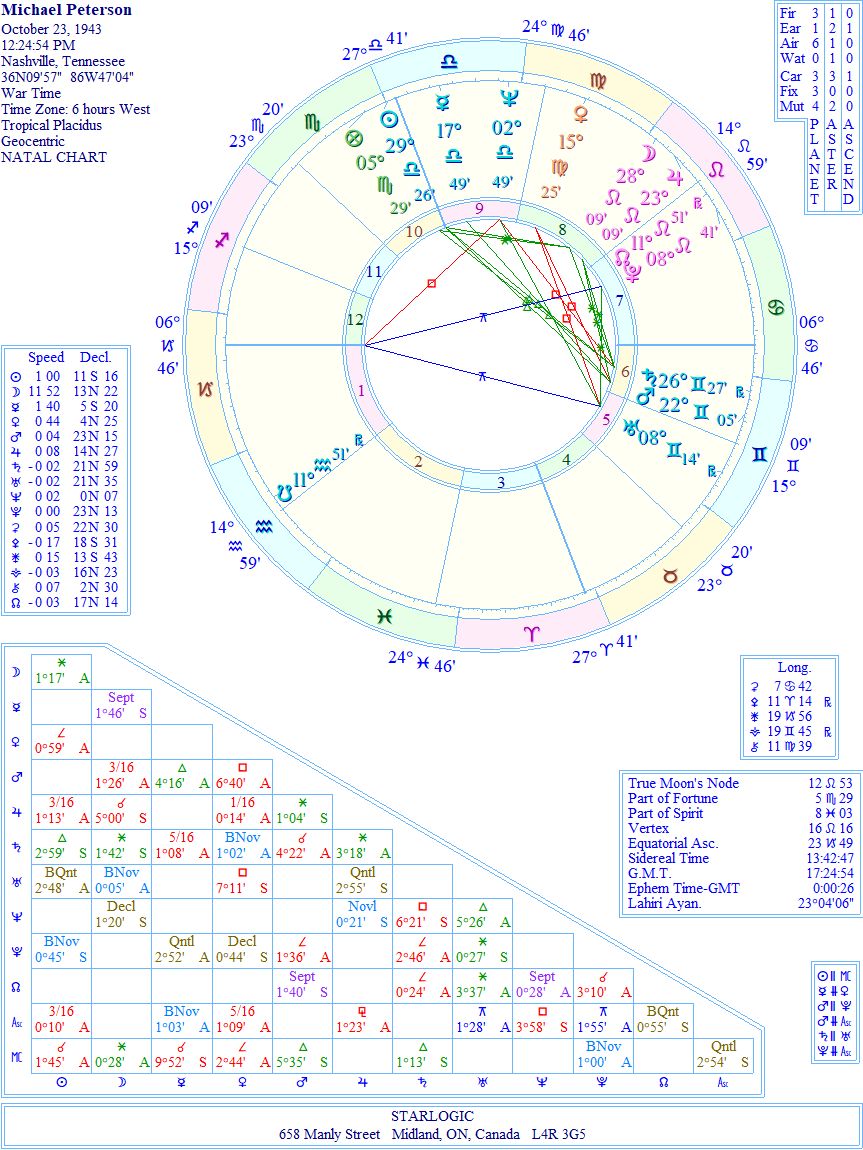
We are so quick to judge others, especially if they are ‘different’ from us. Michael Peterson was convicted of murdering his wife in 2003, although he maintains his innocence, to this very day.
This chart is randomized. A 6° Capricorn Ascendant might explain why he seems too controlled, too calculating, but he cannot help that. The unexpected Yod (Finger of God) pointing to the Ascendant makes this especially so.
Uranus Inconjunct Ascendant
Your need to be free and do what you want is often in conflict with what others require of you and even with what you feel you ought to do. Sometimes this conflict can cause considerable physical and emotional tension. The task you face is to organize your life in a disciplined way that will enable you to satisfy your need for freedom through your everyday activities.
Your need for freedom may also interfere with your close relationships. When you are with others, even those you like, you feel very restless but you can’t get up and leave because you want to be with them. This is typical of the ambiguity that comes with this transit. Certainly, the more others try to restrict your freedom, the more you try to get away.
(Evidently, he was bisexual.)
Pluto Inconjunct Ascendant
This can be an indication that through experiences with others, you will be forced to undergo many significant changes in life. At times these crises may be quite unpleasant, but for the most part the results will be very positive, although for some people, they may be less constructive. But you must be very careful about the kind of people you get involved with. Choose your friends with great care and try to find people who have a healthy outlook on life and who seem reasonably well balanced. People who are driven to extreme behavior or who act compulsively, as if they could not plan anything in advance, are not very good for you. They will get you into difficult situations that you do not need.
Also watch for compulsiveness or extreme behavior [in] yourself. These qualities could be quite hard for others to handle, and people will probably avoid you if you express them freely.
(Ditto.)
For those who like to see how these things line up, here’s the combined charts of his birth and her death.
Conclusion
To walk in another man’s moccasins, you have to also inhabit his body. Most of us cannot do that.
But don’t judge the man by the book’s cover. Try to look “Beyond the Staircase” instead.