26th March 2022 In between the forces of light is a sub-stratum which joins the infinite to matter. It pursues the ways of mass into form and is picked up by the human eye, but unrecognised by many. This is the force known as Unbridled Light. It is not the same as sunlight which is […]
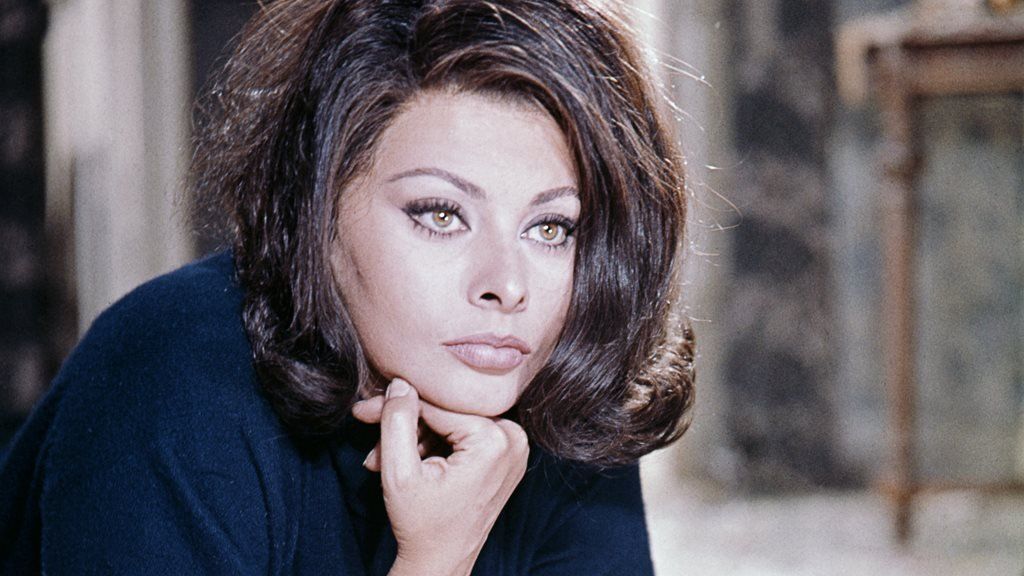
This is going to seem weird: I watched an episode of “The Dick Van Dyke Show” a couple of days ago from 1962, which featured Vic Damone. The ‘reason’ he was going to be the star of The Alan Brady Show was that they had lost Sophia Loren, the scheduled star. “How can you lose Sophia Loren?”
Well, as sometimes happens, that reference to her stuck in my brain, and last night I was pondering her beauty while I was falling asleep. Then, this morning, I thought about “El Cid”.
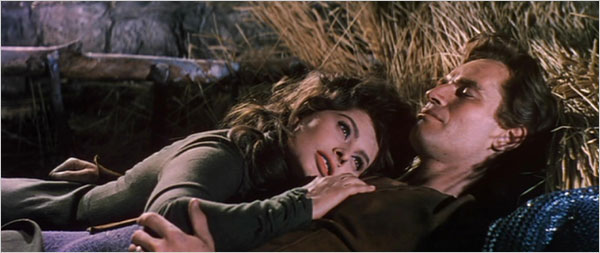
Courtesy of IMDb
This movie was the followup role for Charlton Heston after winning the Oscar for “Ben-Hur”. It was also the second one starring him that I saw as a pre-teen in the early 1960s. My love for all things medieval stems from his portrayal of the Cid. And gave me my first indication of what love would look like in the time and setting. It stuck with me for 60 years.
Normally, I feature the individual’s birth chart, but this time I will not. Sophia is still alive and well (at 87), so I don’t want to cause her any unintended upset. Today will be an homage to her role as the Cid’s wife, Ximena (sometimes written as Jimena).
I have a thing for hay, and rolling in it. Probably this image was the basis for that. This was their last night before the big battle in the movie. The Cid had been exiled by the King of Castile, but comes back to save Valencia from the Moors. The love story has a sad ending, but the hero became a legend anyway.
Doña Jimena Díaz (also spelled Ximena) (before July 1046–c.1116) was the wife of El Cid, whom she married between July 1074 and 12 May 1076, and her husband’s successor as ruler of Valencia from 1099 to 1102. The spelling Jimena is a modern Spanish one. In the documents of her time, her name was spelled Ximena and it was then pronounced like “Shimena.”
Kate: What Should I do about my Diabetes? (Today: 1:59 pm EDT)
This is an example of how one can get in touch with someone who has passed to the Other Side, one year before. The shorthand is clear to me: the Beast is the disease. It has consumed my waking (and sleeping) moments recently. Going to the left, it is a disease of the Body, which is acting like a Puzzle, especially where my life’s Work is involved. Going to the right, my Warrior card is featured next to Kate’s Beauty card. These two cards are completed by the Voyage card, a frequent ‘hint’ from the Universe. So, in reality, the message says that the conquering of this disease will take a lot of work, and the result will likely be a spiritual voyage of some kind.
Kate is a constant companion, now that she has transitioned. But I don’t often ask her for advice. The cards are telling me that she’s standing shoulder-to-shoulder with me on this leg of the Journey.
It had to happen sooner or later, since up until now I only had a slow acting insulin (Levemir) taken just before bedtime. But why now?
As chance would have it, I watched a YouTube video by a fellow astrologer (Ellie Adams) yesterday, and she was explaining how transiting Chiron can effect a healing (after an initial and sometimes painful disruption) when it passes the major angles in the birth chart (Ascendant, Decendant, the IC and the Midheaven). This can be especially difficult if those major angles are conjunct a planet or one of the Moon’s Nodes. A light bulb went off in my head: of course… Chiron transiting my North Node in Aries, again.
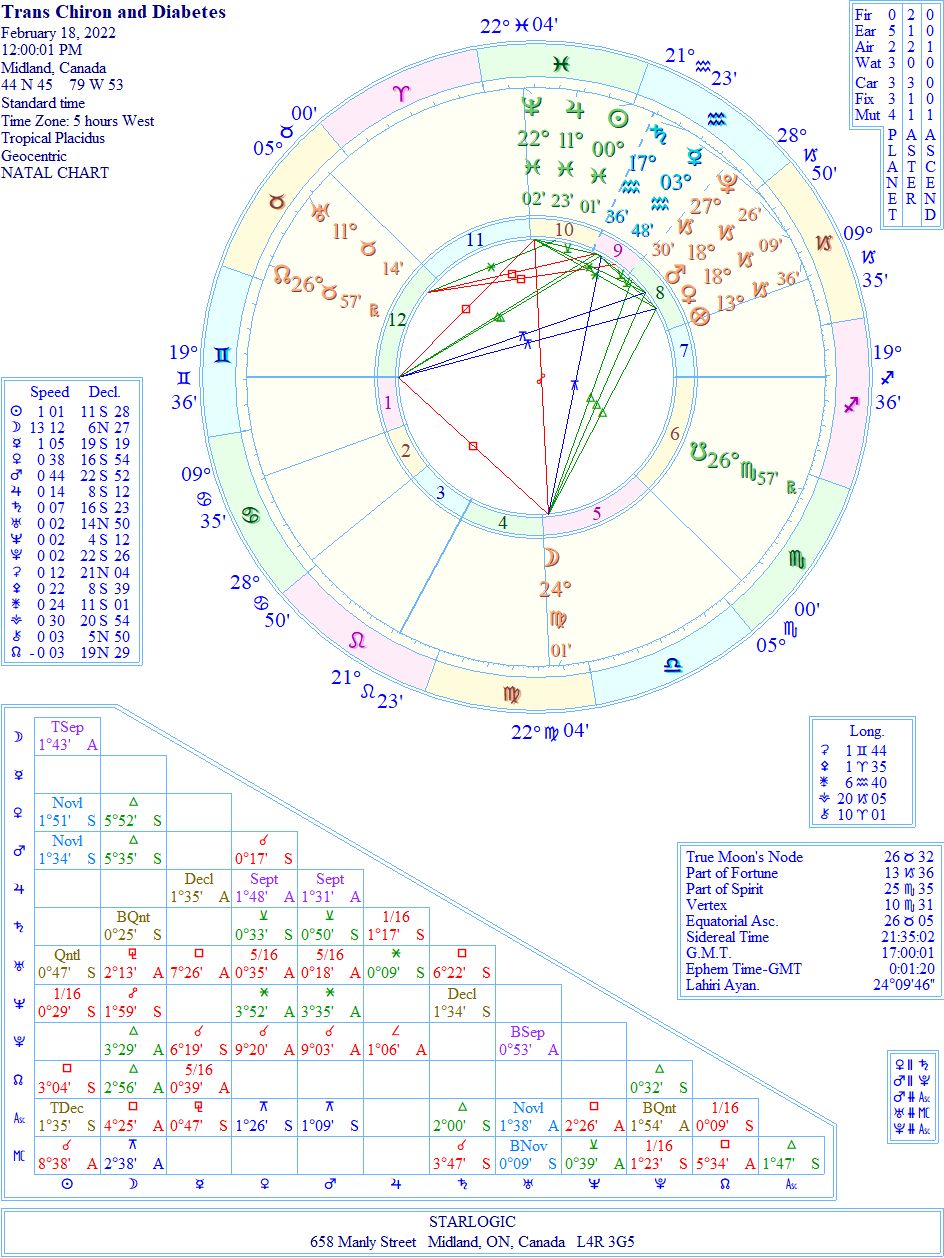
Chiron does not show up on my charts. It is only listed as part of the asteroid placements (just below the chart on the right side). I’ve picked this day (February 18, 2022) because my blood sugar levels were ‘slightly’ elevated for three days prior to this date and for three days after, with this day being the calm in the eye of the hurricane. Within five weeks, these numbers went through the proverbial roof.
The reason I think it’s significant is that transiting Chiron (@ 10° Aries 01′) was about to touch my North Node, conjunct the IC, while opposing my Mars/South Node/Midheaven conjunction in Libra..
This is a powerful time to learn, grow and expand in new directions. Past wounds and trauma may fuel a desire to seek greater wisdom or new perspective. There will be opportunities to gain clarity regarding your purpose and destiny as it relates to your past wounds as well [as] now.
Any frustrations or friction arising now is an indicator that you have strayed from your path as a healer or guide to others. Your unique purpose may stand out to you now and past hardships or difficulty accepting your unique journey will be understood in a new light.
You may be connected with others that need to learn from your experiences and wisdom now as well. Be open to sharing your path to healing with those your encounter.
Right. Well, that’s me told…
Conclusion?
It’s time to follow the lead of my children and take the pledge: to never drink alcohol, ever again. Amen.
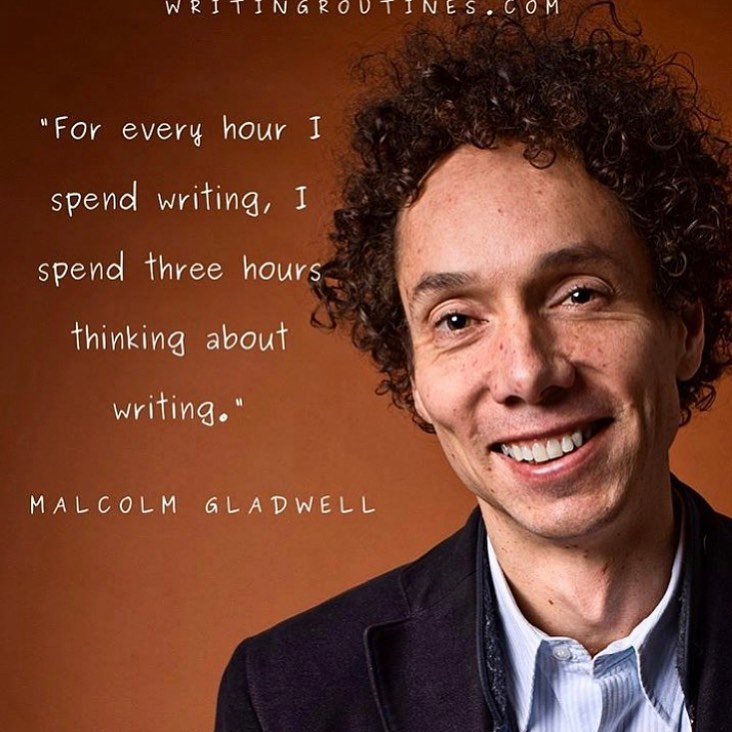
Well, he’s actually British born, but raised and educated in Canada. Malcolm Gladwell is a mixed blessing to us all. He seems to be able to go behind the scenes and discover what makes us tick.
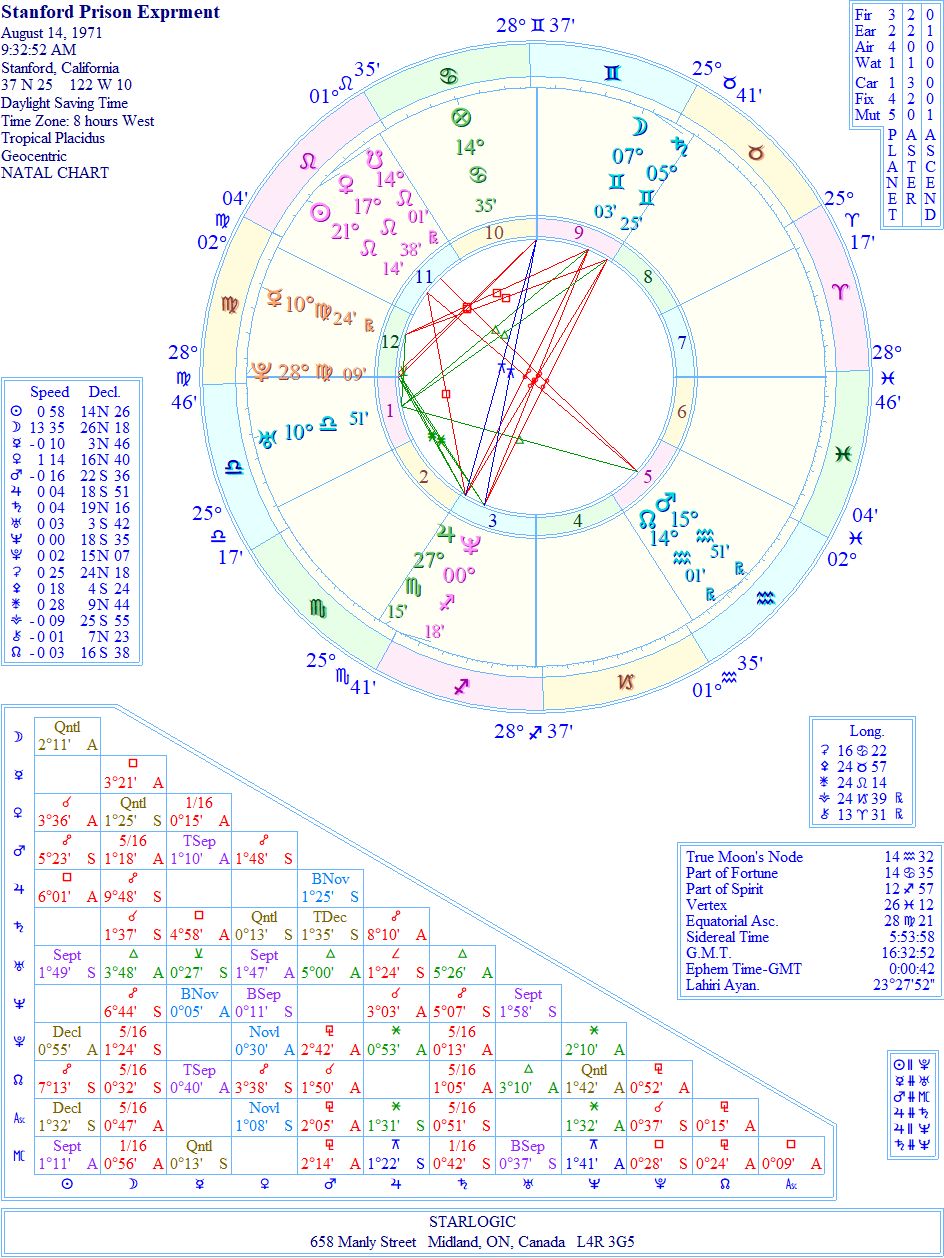
This chart is randomized, as no one knows what time he was born. Most astrology sites have opted for noon. This one is but 30 minutes later. The Scorpio Rising of 14° is conjunct Neptune there. Everything seems to pivot around the Moon @ 6° Pisces. This is fortuitous. There is one inconjunct.
Moon Inconjunct Mercury
As you grow older, you will learn to make your feelings and your reason work together. The problem is not so much that they come into conflict with each others, but that your reason and feelings represent two very different sides of your personality. When you are calm and collected and able to reflect carefully, you make decisions in one way. But when you are emotionally involved in a situation, you are likely to make up your mind differently, which could cause you to seem inconsistent to others and make it difficult for them to understand you.
For the same reasons, it may be hard for you to put your feelings into words, because your emotions are so different from your intellect. Of course, there is nothing really strange about your feelings, but that part of your mind is quite different from the reasoning part. In fact it would be very unfortunate if you decided to listen only to your reason, because your intuition and imagination, both of which are more related to the Moon, can be of great assistance to you. They can tell you much about the world that your reasoning mind cannot.
On the other hand, you shouldn’t allow your feelings to overrun your reason. The best thing to do whenever there seems to be a conflict between these two areas is to not make a decision immediately. Reflect and wait for further information that might help you make up your mind. As you get older, this problem should lessen considerably, and you should be able to make decisions more and more rapidly.
He wrote “The Tipping Point” when he was just 33. I have now finished reading the book. It provided me with many different clues about so many things. I’m grateful for the insights.
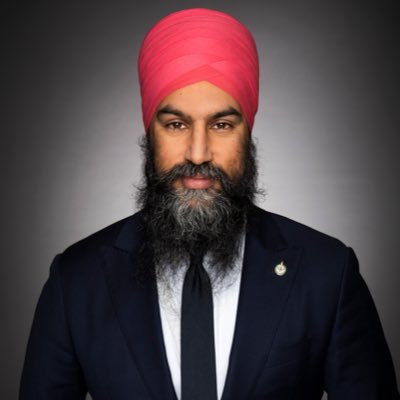
It was a surprise when we were told on Tuesday that the Liberals and the New Democratic Party had signed an agreement to work together for the next three years. Some would say it was a sellout.
Jagmeet Singh is an ambitious man. One day he wants to become Prime Minister of Canada. But first he has to find a way to dominate Canadian politics. The Liberal-NDP pact allows him to do that.
I have rectified the timing of his birth chart, based on the age (39) when he married his wife (Venus).
Now it starts to make sense. Moreever, there are two inconjuncts, and they may explain a lot.
Moon Inconjunct Jupiter (definite)
This aspect indicates that you have a positive, optimistic outlook on life, and you enjoy socializing with good friends. However, there are some dangers with this aspect. First, it can be a sign that you are self-indulgent and possibly even selfish, although this is not likely to happen if you have a good, strong relationship with your mother. You have a great need to be cared for and supported, to be accepted for what you are with no strings attached. If this need is fulfilled, the positive side of this aspect will flourish. But if your mother does not support your needs fully, you will feel insecure and will look elsewhere for support and fulfillment. In this case your concern will be totally for yourself with little thought for other people’s needs.
On the other hand, if you feel emotionally secure and accepted, then you will be able to give others the support that you would otherwise have been seeking for yourself. You will help others in their times of need, share what you have with those who have less, and find great satisfaction in taking care of people and animals.
Venus Inconjunct Ascendant (perhaps)
You should realize that others will respect you if you stand up for yourself and ask for a reasonable return in a relationship. If you constantly seem to be apologizing for who and what you are, people begin to wonder if they have overlooked something that is wrong with you, and they begin to lose confidence in you. Thus you may bring about the criticism that you are afraid of. You are as good and as worthy of being loved as anyone. Be yourself with others, and many people will love you.
What Effect Does the Merger Have on His Relationship with Trudeau?
Contentious as this may sound, these two men were made for each other, and the Liberal-NDP Merger shows how their ‘marriage’ will benefit both of them. Surprising (?) the merger most benefits Singh, but Trudeau also gets to stay Prime Minister for the next three years. A ‘win-win’ situation if ever I saw one.
Humans socialize in the largest groups of all primates because we are the only animals with brains large enough to handle the complexities of that social arrangement. [Robin] Dunbar has actually developed an equation, which works for most primates, in which he plugs in what he calls the neocortex ratio of a particular species — the size of the neocortex relative to the size of the brain — and the equation spits out the expected maximum group size of the animal. If you plug in the neocortex ratio for Homo sapiens, you get a group estimate of 147.8 — or roughly 150. “The figure of 150 seems to represent the maximum number of individual with whom we can have a genuinely social relationship, the kind of relationship that goes with knowing who they are and how they relate to us. Putting it another way, it’s the number of people you would not feel embarrassed about joining uninvited for a drink if you happened to bump into them in a bar.”
The Power of Context (Part Two) (page 179)
In reality, that would be far too many for me, however it does back up an interesting echo from the Bible: the 144,000 (12 x 12 x 1000) Elect.
[Robin] Dunbar has combed through the anthropological literature and found that the number 150 pops up again and again. For example, he looks at 21 different hunter-gatherer societies for which we have solid historical evidence, from the Walbiri of Australia to the Tauade of New Guinea to the Ammassalik of Greenland to the Ona of Tierra del Guego and found that the average number of people in their villages was 148.4.
Ibid (pages 179-180)
So, not 150, after all: 148.
The number 148 represents the weights on the scales. They can lean to either side: for example, towards development or decline.
I suppose it had to happen someday. There have been discussions over the decades about a formal agreement between the Liberals and the New Democrats for bringing the two parties into alignment.
What makes this harder to swallow is the fact that it was done in secret, effectively undermining the will of the people. And, yes, the Liberal and NDP agendas are very similar, but the differences are enough to keep these two parties separate and viable. They say that this pact will last only until the end of the current parliament in 2025. That may be the intention, but the Liberals will have to walk a very fine line for the agreement to survive the next three years. But then what?
In the UK, the Liberals and the Social Democrats joined their parties together on March 3, 1988. They are known as the Lib-Dems. They did that so that both parties would be able to survive in a Labour-Conservative political tug-of-war. It was a desperate measure, but it worked, since they have been able to shore up the other parties’ minority governments, both federally and regionally, and effectively be the balance of power, with all the benefits that brings. But they run a distant third to the other two parties.
The news media reported yesterday’s ‘merger’ as a Canadian first. And perhaps it is, but what will come from it? The Conservatives had hoped to bring Trudeau’s minority government down, before 2025. Now they’re stymied. Perhaps, the end will come for Trudeau after the next election.
Under the chapter called the Power of Context, Malcolm Gladwell discusses this experiment in his book “The Tipping Point”. I had previously studied the results of this setup in my Psychology AS class in the UK in the 1990s. It doesn’t make pleasant reading, and it certainly doesn’t make pleasant viewing (viewer warning: some scenes are graphic and violent in nature).
Zimbardo’s primary reason for conducting the experiment was to focus on the power of roles, rules, symbols, group identity and situational validation of behavior that generally would repulse ordinary individuals. “I had been conducting research for some years on deindividuation, vandalism and dehumanization that illustrated the ease with which ordinary people could be led to engage in anti-social acts by putting them in situations where they felt anonymous, or they could perceive of others in ways that made them less than human, as enemies or objects,” Zimbardo told the Toronto symposium in the summer of 1996.
Wikipedia
This chart is randomized, and yet, there’s Pluto on the event horizon (conjunct Virgo Rising @ 28°). Now, doesn’t that just say it all?! There is a double inconjunct involving Jupiter/Uranus conjunct and the Midheaven.
Jupiter Inconjunct Midheaven
This aspect can mean that you have mixed feelings toward adults and persons in authority over you. Although you know that they have your best interests at heart and that they want you to succeed at your objectives, it often seems as if their demands are keeping you from doing what you want. When you want to go off and have fun, for example, you are told to finish your work first. At times you want to break free of this restricting influence and go off by yourself.
Uranus Inconjunct Midheaven
You need to express your thoughts and feelings, but you often upset the people around you with your words. You seem to enjoy creating a stir every time you say something, but this can get you into quite a bit of trouble with parents, teachers and other authority figures. The underlying principle of this aspect is the need to balance your individual self-expression and manner of communicating with your need to learn and grow under the guidance of older people.
Jupiter Conjunct Uranus
You have a great need to be free, and you hate to be restricted in any way. This can create problems in school if you don’t want to go by the required program. At the same time, you have an advantage in that your mind is quick and eager for new knowledge and a greater range of experience. However, you don’t adapt easily to the more tedious and repetitive drill work that school subjects so often require.
As you get older, you will become interested in problems of social reform, and you may even get involved in politics somehow, but certainly not on the side of the establishment.
From the Book
Zimbardo’s conclusion was that there are specific situations so powerful that they can overwhelm our inherent predispositions. The key word here is situation. Zimbardo isn’t talking about environment, about the major external influences on all of our lives. He’s not denying that how we are raised by our parents affects who we are, or that the kinds of schools we went to, the friends we have, or the neighborhoods we live in affect our behavior. All of these things are undoubtedly important. Nor is he denying that our genes play a role in determining who we are, Most psychologists believe that nature — genetics — accounts for about half of the reason why we tend to act the way we do. His point is simply that there are certain times and places and conditions when much of that can be swept away, that there are instances where we can take normal people from good schools and happy families and good neighborhoods and powerfully affect their behavior merely by changing the immediate details of their situation.
The Power of Context (Part One) (pages 114-5)
Conclusion
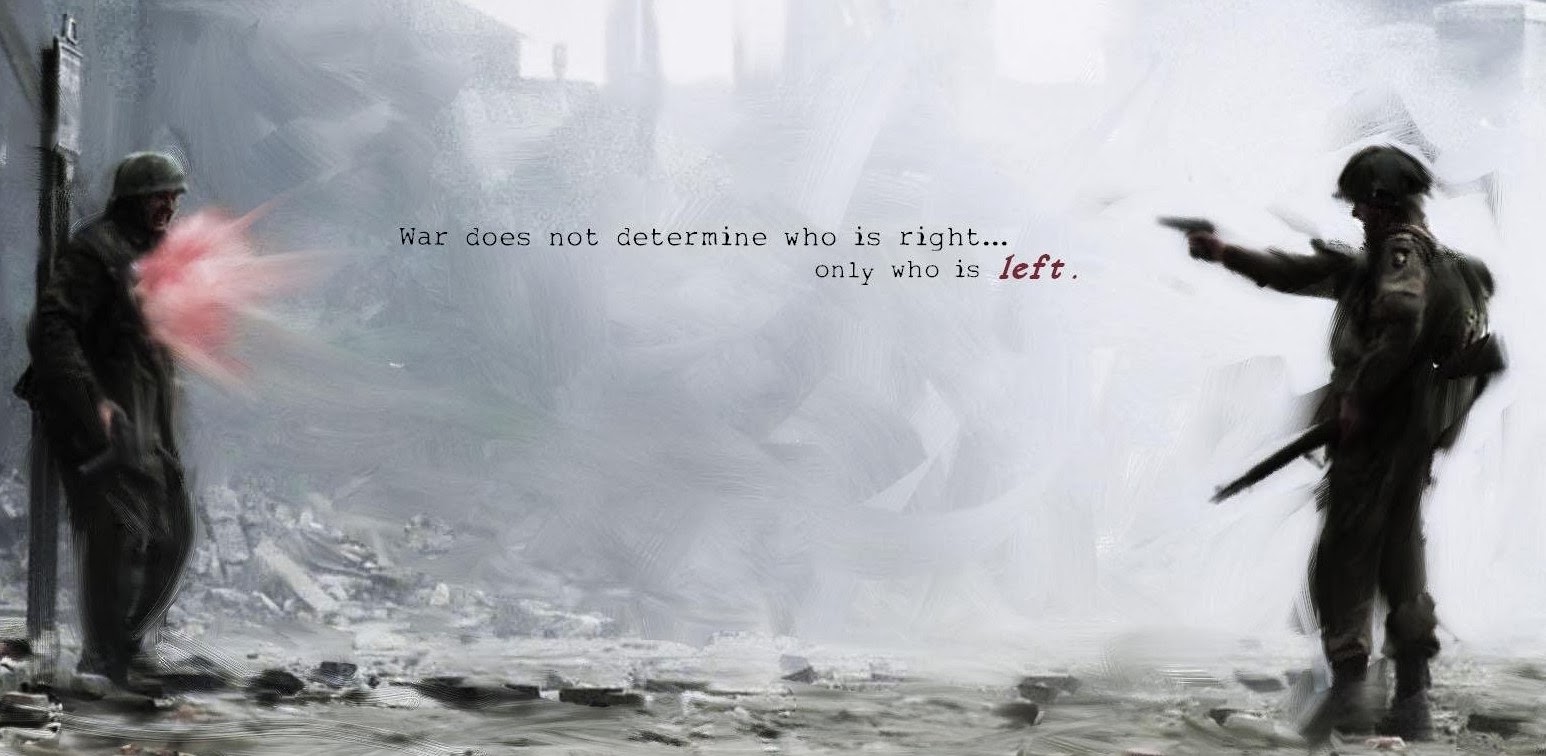
If we look at the Russia/Ukraine situation as it now stands after 24 days, we can perhaps understand why the Russian soldiers are willing to indiscriminately bomb and kill Ukraine civilians. It’s not ‘right’ that they should do so, but their leaders have made everyone their ‘enemies’ so they feel justified in their actions. Such is the nature of war: ordinary people do extraordinary (and heroic) things. The only way to judge them is to walk a mile in their moccasins…
So, now that I’m reading the next section of Malcolm Gladwell’s “The Tipping Point” I’m finding the examples he uses remind me of this film, starring Michael Douglas. It was filmed during the Los Angeles riots of the summer of 1992. How’s that for context?
Falling Down was being shot on locations in Lynwood, California, when the 1992 Los Angeles riots began. By April 30, the riots were sufficiently disruptive to force filming to stop early that day. Film crews produced more footage inside of Warner Bros. Studio, in Burbank, as the riots continued. By May 4, when the crew intended to resume in Pasadena, initial requests to do so were denied, causing delays. Filming wrapped in late June 1992. Production designer Barbara Ling said, “We mapped this so that you really were going across [Los Angeles] from Silver Lake down to mid-city to Koreatown.”
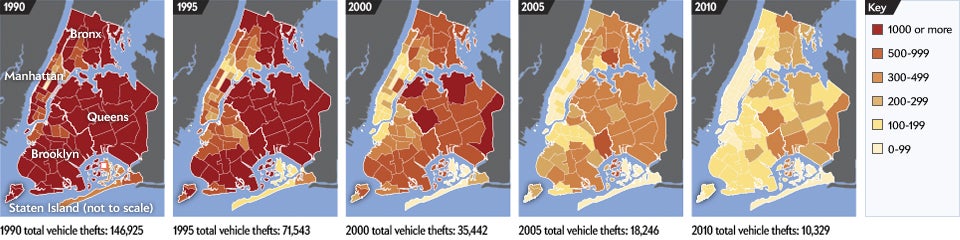
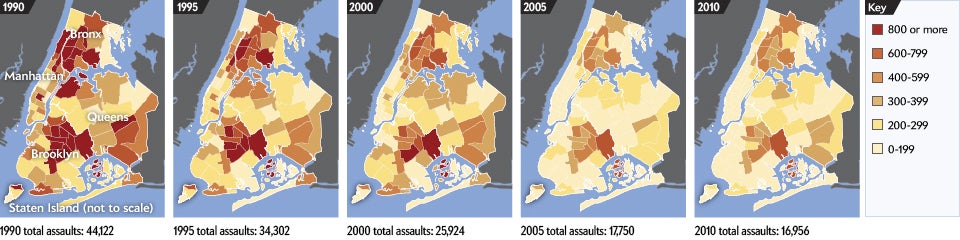
Gladwell relates the story of Bernie Goetz and his shooting rampage on a New York subway on December 22, 1984. By the 1990s, New York changed some very fundamental things about their transit system, removing graffiti and arresting fare-dodgers. The result was an almost miraculous reduction of street and subway crime. Falling Down came out around this same time period. Hmm.
Number 2 subway train
If you think of what happened on the number two train this way, the shooting begins to feel inevitable. Four hoodlums confront a man with apparent psychological problems.That the shooting took place on the subway seems incidental. Goetz would have shot those four kids if he had been sitting in a Burger King. Most of the formal explanations we use for criminal behavior follow along the same logic. Psychiatrists talk about criminals as people with stunted psychological development, people who have had pathological relationships with their parents, who lack adequate role models. There is a relatively new literature that talks about genes that may or may not dispose certain individuals to crime. On the popular side, there are endless numbers of books by conservatives talking about crime as a consequence of moral failure — of communities and schools and parents who no longer raise children with a respect for right and wrong. All of those theories are essentially ways of saying that the criminal is a personality type — a personality type distinguished by an insensitivity to the norms of normal society. People with stunted psychological development don’t understand how to conduct healthy relationships. People with genetic predispositions to violence fly off the handle when normal people keep their cool. People who aren’t taught right from wrong are oblivious to what is and what is not appropriate behavior. People who grow up poor, fatherless, and buffeted by racism don’t have the same commitment to social norms as those from healthy middle-class homes. Bernie Goetz and those four thugs on the subway were, in this sense, prisoners of their own, dysfunctional, world.
But what do Broken Windows and the Power of Context suggest? Exactly the opposite. They say that the criminal — far from being someone who acts for fundamental, intrinsic reasons and who lives in his own world — is actually someone acutely sensitive to his environment, who is alert to all kinds of cues, and who is prompted to commit crimes based on his perception of the world around him. This is an incredibly radical — and in some sense unbelievable — idea. There is an even more radical dimension here. The Power of Context is an environmental argument. It says that behavior is a function of social context. But it is a very strange kind of environmentalism. In the 1960s, liberals made a similar kind of argument, but when they talked about the importance of environment they were talking about the importance of fundamental social factors: crime, they said, was the result of social injustice, of structural economic inequities, of unemployment, of racism, of decades of institutional and social neglect, so that if you wanted to stop crime you had to undertake some fairly heroic steps. But the Power of Context says that what really matters is the little things. The Power of Context says that the showdown on the subway between Bernie Goetz and those four youths had very little to do, in the end, with the tangled psychological pathology of Goetz, and very little as well to do with the background and poverty of the four youths who accosted him, and everything to do with the message sent by the graffiti on the walls and the disorder at the turnstiles. The Power of Context says you don’t have to solve the big problems to solve crime. You can prevent crimes just by scrubbing off graffiti and arresting fare-beaters: crime epidemics have Tipping Points every bit as simple and straightforward as syphilis in Baltimore or a fashion trend like Hush Puppies. This is what I meant when I called the Power of Context a radical theory. Giuliani and Bratton — far from being conservatives, as they are commonly identified — actually represent on the question of crime the most extreme liberal position imaginable, a position so extreme that it is almost impossible to accept. How can it be that what was going on in Bernie Goetz’s head doesn’t matter? And if it is really true that it doesn’t matter, why is that fact so hard to believe?