The disaster is one of the best-known in the history of Great Lakes shipping. Gordon Lightfoot made it the subject of his 1976 hit song “The Wreck of the Edmund Fitzgerald“ after reading an article, “The Cruelest Month”, in the November 24, 1975, issue of Newsweek.
And for those of an astrological mindset, here’s the chart:
The last communication from the ship came at approximately 7:10 p.m., when Arthur M. Anderson notified Edmund Fitzgerald of an upbound ship and asked how she was doing. McSorley reported, “We are holding our own.” She sank minutes later. No distress signal was received, and ten minutes later, Arthur M. Anderson lost the ability either to reach Edmund Fitzgerald by radio or to detect her on radar.
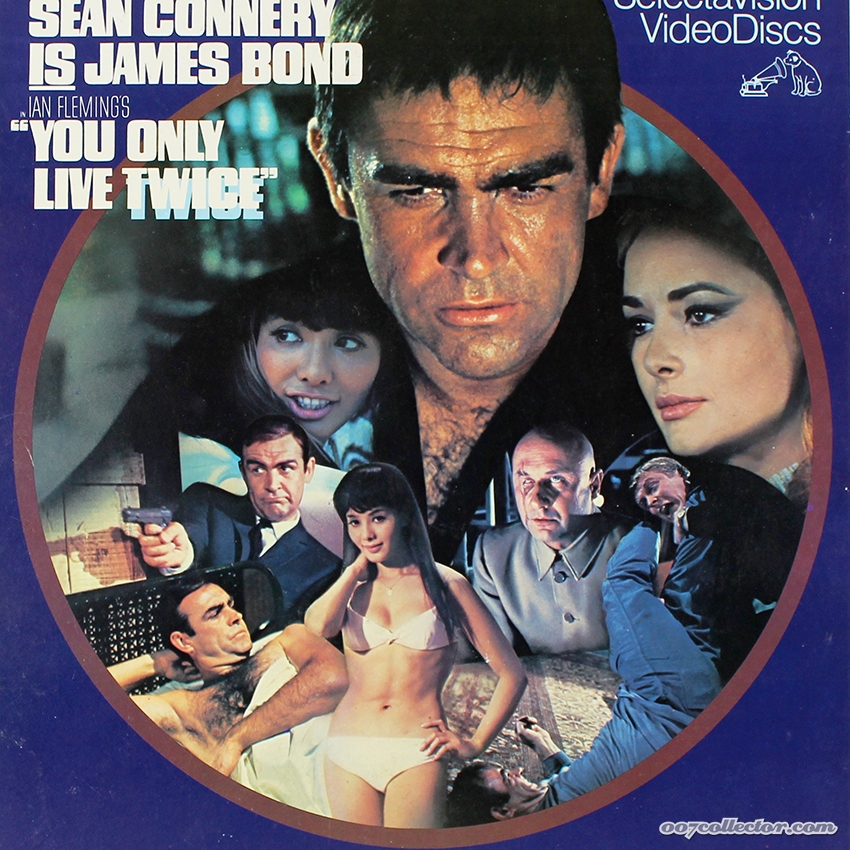
Of all the James Bond films, this is the one that ‘bothered’ me the most. Now I understand why. Past life memory can be a spur to look deeper, but it took something else to make me dig into this James Bond story.
Japan is an inscrutable country. The rules are that socially one must appear to like everything, while hiding one’s actual feelings. This makes it confusing for a Westerner.
The film suggests a whole different level of chauvinism, with women being primarily caterers to all male egos. Even in the 60’s this seemed too much, at least to me.
Now, after the knowledge of “Ramsay” and his relationship to Hanako Ishii, I can see why he would have been so attached to that livestyle. He sought love, and only ever really found it in her arms. That’s why he protected her from the authorities, and essentially sacrificed himself to do so. He never imagined that they would execute him.
Such a sad way to be separated from the woman he loved.
(And now I can comprehend John Lennon’s relationship with Yoko Ono.)
In the summer of 1936, a Japanese woman, Hanako Ishii, a waitress at a bar frequented by Sorge, moved into Sorge’s house to become his common-law wife. Of all of Sorge’s various relationships with women, his most durable and lasting one was with Ishii, who tried to curb Sorge’s heavy drinking and his habit of recklessly riding his motorcycle around the Japanese countryside in a way that everyone viewed as almost suicidal. An American reporter who knew Sorge later wrote that he “created the impression of being a playboy, almost a wastrel, the very antithesis of a keen and dangerous spy”.
Wikipedia
Richard Sorge did a deal with the Japanese interrogators: if they promised to let Ms. Ishii and all the wives of the men in his spy ring alone, he would give them everything they wanted intelligence-wise. They were true to their word.
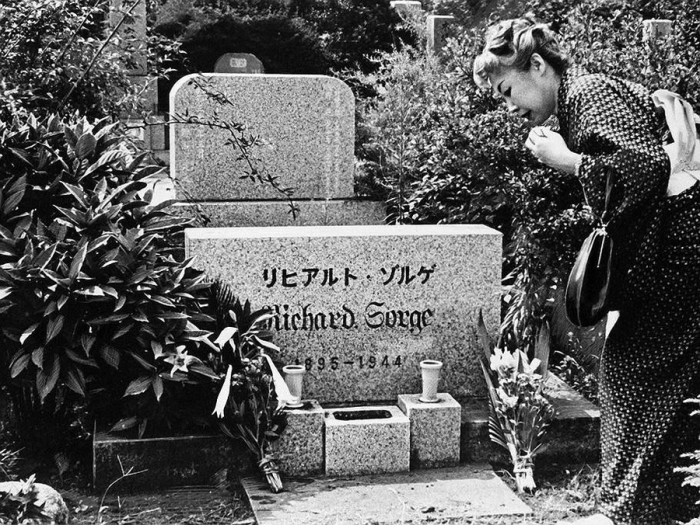
After his death and hasty burial, she petitioned the American occupation authorities for Sorge’s body, which she finally found on November 16, 1949, and then had his skeleton cremated. His ashes were then buried here:
Only later (after 1964) did the Soviet authorities claim him as their own and had this head stone erected. (Ms. Ishii is now buried beside him.)
Birth Chart of a Woman who Loved her Man even after Death
I will not delineate the aspects, out of respect for her privacy. But she has some quotes on the internet, the one I wish to close her post with, says it all astrologically:
Before I review this ebook, I want to share this quote:
‘It is important that the deceased is left in peace for 68 hours after dying so that the person in question has discarded all his bodily elements. Then you are ready for moving through the shaft. Before leaving I ask if there is anything unfinished, something that has not yet been realized and accepted and therefore cannot be resolved. It is not an easy process. It demands great care, empathy and poise. On the walls of the Shaft of the Soul you see pictures of the life, recently ended. We stop and look at the pictures that call for special attention, pictures of conflicts and trials from this incarnation. I ask if the deceased understands the pictures and is able to acknowledge the motives he acted from in the various situations. When the picture is understood I ask if the deceased is ready to let it go. Major things only are pictured in the shaft. Working our way up there are fewer pictures. There both is and isn’t any sense of space in the shaft. It is very difficult to describe. You experienced this yourself at Montségur. It is a kind of picture gallery where you are turning and watching the various pictures. It is in a way holographic. When the process of acknowledgement is finished and has turned into acceptance, you rise into a fantastic, intense light just before reaching the spiritual levels. Here the Collector is waiting, a ball-like thought form, collecting everything that you didn’t bring with you, everything that wasn’t redeemed. When I accompany the deceased we usually deal with it on the way. The deceased and I together correct the unresolved pictures and neutralize all the obstacles. If a helper isn’t present, or if people do not know what is going on in the Shaft of the Soul before they die, they may react to the pictures they are presented with without understanding, and do not do what is necessary before moving on. All pictures are collected in what I call the Collector. This is where one is met with a light more intense than the sun, but with a softness that enables us to see it. Here you meet the two pillars of light – guardians – about the same height as a human being. Then the voyage goes on to the spiritual levels. We do not bring the pictures there. There is no need for them. On the contrary. Later, on the way back to the level of earth, we pass the Collector again, going down into another Shaft of the Soul, confronting the pictures which were not resolved in the former life. We bring them with us into the new incarnation, where they influence us in one way or another. If we realize this here, we may practise, in the sense that every day we may ask if there is anything we should have done which we didn’t do, or if we did something that we shouldn’t have done. As far as I am concerned it is a part of my daily work to look at my own pictures in order to correct and I hope constantly to be in harmony with the universal principles and the work I’m here to perform. It is a guarantee for me to be precise in my work with other people. And there is always something that needs calibration. Everything is in eternal motion so that the pictures that were calibrated in the morning may need a new calibration in the evening. It is quite unbelievable how little it takes for things to tilt one way or the other. The idea that the wing of a butterfly should have an effect on the weather on the other side of the globe is thus very descriptive of my point. When we have redeemed all our pictures we have finished incarnating here on earth. The earth level is a school. We are talking about a refinement process where we must learn to be conscious co-workers in this universe, so that later we can do the same in the others.’
Muhl, Lars. The O Manuscript (pp. 134-136). Watkins Media. Kindle Edition.
REDEEMING FACTOR by Lewis Adler is a full-length, thought-provoking thriller with a mysterious New Age twist in the tale, and one of the most unexpected and heart-warming conclusions you could ever wish to read in a work of fiction.
The Redeeming Factor plot opens in December 1943 at the Majdanek Nazi Extermination Camp on the outskirts of the Polish city of Lublin. Carl Meissner is a middle-ranking SS NCO and he has been given permission by the camp’s commandant to organise a mid-winter celebration for his colleagues. Among them is female camp guard Leyna Strobl with whom Carl has struck-up a close friendship.
Carl is an SS battleground veteran who was badly wounded in the left arm during Germany’s invasion of Poland. His injuries forced him out of frontline roles but, rather than leave the military, he opted for non-combatant duties. However, since being posted to Majdanek, he has become increasingly brutalized by what he has witnessed, and it has begun to play on his mind. Luckily for him, Leyna understands, because she too feels alienated by the horrors that surround them.
They long to escape the nightmare of Majdanek, and hope to do so by volunteering to escort a transfer of internees to a forced labour camp in Germany. A chance meeting on that assignment results in the escape they’d been longing for. Posted to Ulm in southern Germany, they begin working for a tough but kind-hearted SS officer, Erich Wendler.
As World War II draws to a close, Wendler relieves Carl and Leyna from their duties and encourages them to disappear into the community. Settling in Partenkirchen near the Austrian border, the young couple begin a new life together under assumed names.
Their happiness, however, doesn’t last long. Carl is captured by a vigilante group of former Majdanek internees. Cruelly separated from Leyna, he is imprisoned by the group and put on-trial, but not before he has befriended his jailer … a Jewish youth called Solomon Kellmann.
Following the trial’s verdict, Carl and Solomon are sitting chatting quietly when five hooded figures storm the cell in which the ex-SS NCO is being held. The intruders subdue both men and then lynch Carl, while the deeply distraught jailer is held fast and forced to look-on helplessly.
Some weeks later, in England, a baby boy – Derek Shortman – is born with his umbilical cord wrapped around his throat like a noose. He also has two curious birth marks on his left forearm. Derek grows into a fine young man but, from early childhood, he’s haunted by a recurring nightmare which, at first, depicts a violent separation between him and an unknown person he is trying to protect.
Over time, the nightmare evolves while – during his waking hours – Derek meets-up with several people who, inexplicably, he feels he has met before. The last of these characters is Beth Reynolds. She assists Derek in unraveling the true meaning of his nightmare. Together they visit Majdanek where, out of the blue, a remarkable encounter with a complete stranger occurs. In that moment, all three embark on an extraordinary journey of revelation, redemption and resolution.
My Review:
(Just so it’s out there, let me tell you that I know the author personally). The first half of the book takes us behind the scenes of a series of events in World War II, but from a German perspective. It is hard-going during the early chapters but once the death camp is left behind, it gets a bit easier. But only when you get to the second half, does it start to make sense. In the many love interests that Derek has, I glimpsed echoes of relationships that had been part of the first part of the story. It turns out that I correctly identified them all. The title says it all, and you will find it as fascinating as I did. Well done, Lewis. (Five stars)
Richard Sorge (October 4, 1895 – November 7, 1944)
He has been called, by several people, “a perfect spy”. That reminded me of the John le Carré novel of the same name. But would a perfect spy have been caught and executed?
“Sorge was the man whom I regard as the most formidable spy in history.”
Ian Fleming (as quoted in Wikipedia)
I originally charted the time of Sorge’s birth randomly. And then I saw the detail of his being injured at age 20 years during the Great War. So, I rectified the chart to the placement of Mars at that age. And the result is a double Yod pointing to his Moon/Ascendant conjunction in Aries. That’s his ability to be chameleon-like with his public persona. But note that the inconjuncts are from Venus and Uranus: that’s the ‘oh-oh’ of the chart. Sorge had a reputation as a drunken womanizer. Perhaps the secondary Yod pointing at Uranus from the Moon/Ascendant and Neptune (in Gemini) modified the worst excesses of his cover story as a foreign correspondent and journalist. All I know is that he was caught by the Japanese, tried in court and sentenced to death by hanging. This was carried out 76 years ago today, in history.
Two inconjuncts carry the native spy energy to Sorge’s last breath: the Moon and the Ascendant; the Sun and Uranus. Now let’s look at these charts combined:
Now the double Yods (listed in Sorge’s birth chart above) get completed with the Sun and Mars conjunct in his ‘execution’ chart, while his ‘natal’ Midheaven is conjunct his ‘fatal’ Ascendant, with inconjuncts from his ‘natal’ Midheaven with his ‘fatal’ Moon/Pluto conjunction, and his ‘fatal’ Ascendant with his ‘natal’ Jupiter.
Yes, friends, his time was truly up.
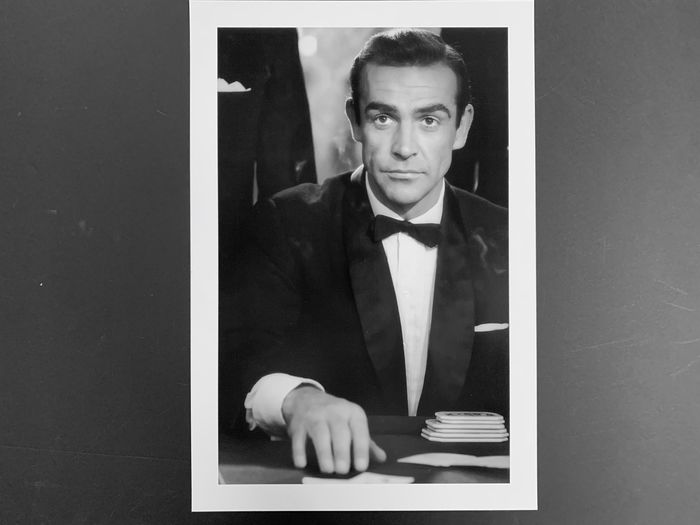
But let’s consider one last thing: Ian Fleming objected to Sean Connery being chosen as James Bond in the early 60’s. But the resemblance is striking, is it not?
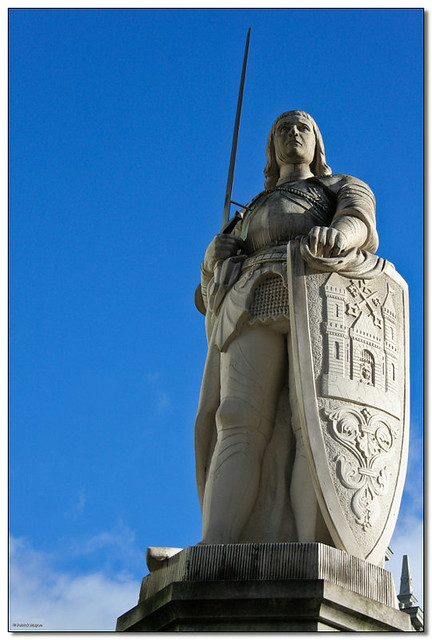
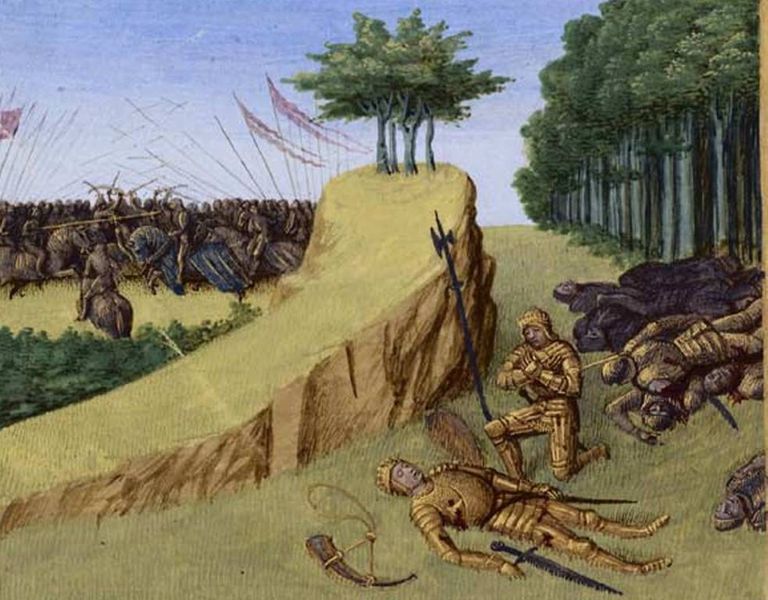
Now that I understand how the death of one life can link with the birth in another, I have decided to revisit the demise of Roland, to see if the facts stand up to scrutiny.
The timing of this battle chart was originally randomized, but legend has it that the attack happened in the evening. By dusk, the Basques had killed the rearguard Franks, including Roland and made off with the looted baggage. So I chose 6:40 pm local time.
The Yod, pointing at the Ascendant, is formed by Mercury and Venus. The other inconjunct is between Uranus and the Midheaven. The Sun/Neptune conjunct, in opposition to the Ascendant, displays the surprise Basque attack. This looks real.
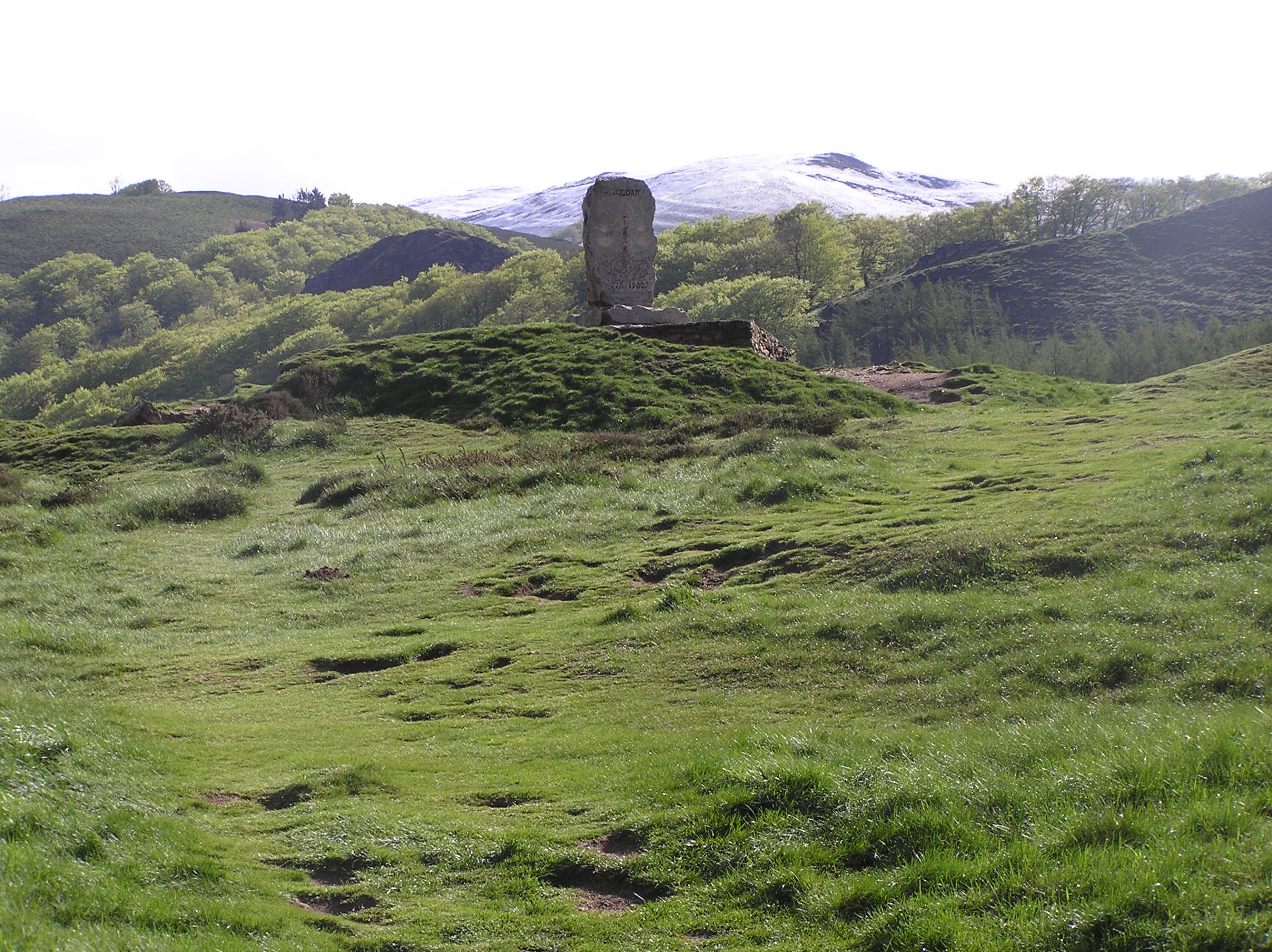
The Battle Site
The Battle of Roncevaux Pass (778 AD)
But now I have to tackle the problem of whether I have anything to do with Roland.
The simple answer? Yes. But was I actually Roland, or just one of his soldiers? They all died that day, so the question is moot.
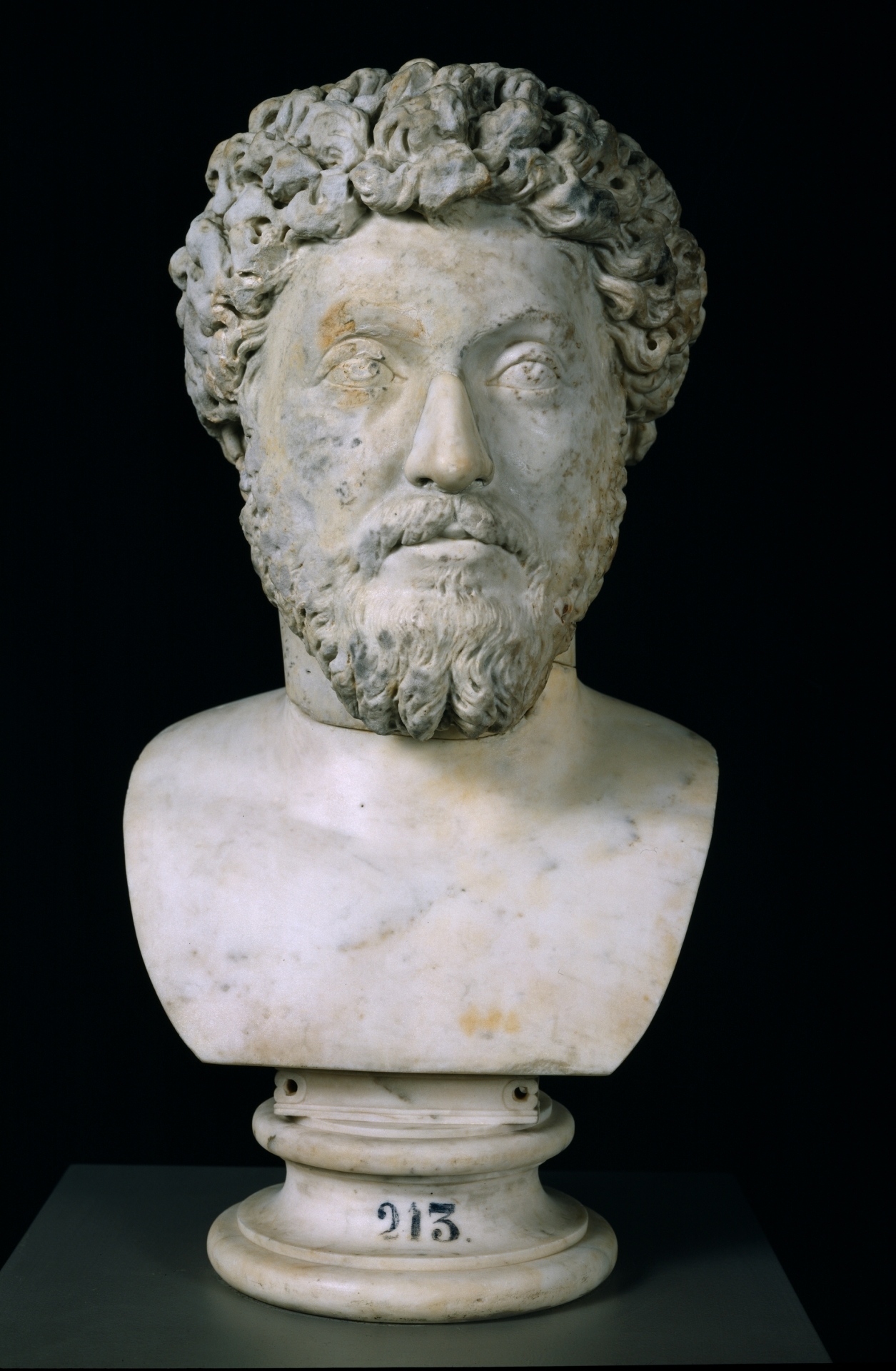
I don’t know about you, but sometimes things surprise me. I wrote about Marcus Aurelius quite a while back. Not sure, now, why I did that. Perhaps for this reason:
‘Who are you? Where do you come from?’
A smile crept slowly over his face and disappeared in a shadow. I thought I saw him change his character in a flash. It surprised me. Suddenly, he wasn’t the one I expected him to be. Did I sense a change in his voice also?
‘I’m from a time before the beginning. I transcend. It was quite a shock for me when for the first time as a seer I began to understand some of my early thought forms and saw how I had abused my power. Until I acknowledged and accepted it. Then I could move on. I was present in a room where 24 energies were also present, each with its own thought form. I was the 25th energy and possessed two. Apparently I couldn’t control them. At any rate, something went terribly wrong. But I changed that later on. That is why I’m now in the process of phasing out. I used to be power. Now I’m freedom.’
The last two sentences kept hanging in the air like two snakes intertwined. A sudden impulse made me point to the two engravings I had been looking at earlier that day. It was more than a feeling. They were a part of the invisible text that had to be seen between the lines.
‘How do these two pictures relate to you?’
‘When I’m reading Marcus Aurelius’ Meditations, some very familiar thought forms appear. I found that out a few years ago. I feel very close to that thought form, and it might have been an earlier incarnation. I’m not saying that I was him, but I do have a very close knowledge of the thought form Marcus Aurelius. I can even feel it in my body. The great separation he felt. The emperor who had to wage the necessary wars in order to maintain the Roman Empire, while at the same time absorbing himself in meditation. But this is my experience and I shall keep this to myself.’
I pointed to the painting of the Moorish room next to the other two pictures.
‘You’ll know that soon enough. I want to sleep now. We have a busy day tomorrow. Goodnight.’
Muhl, Lars. The O Manuscript (pp. 123-124). Watkins Media. Kindle Edition.
I tried comparing Marcus’ death chart to Calle’s birth chart, but I didn’t get the connections I would have expected. So I decided to look at their combined birth charts.
Marcus’ Moon is almost exactly conjunct Calle’s Mercury. That says a lot, just on its own.
Calle’s Uranus and Midheaven are forming a Yod pointing at Marcus’ Jupiter.
And Calle’s South Node is conjunct Marcus’ Ascendant.
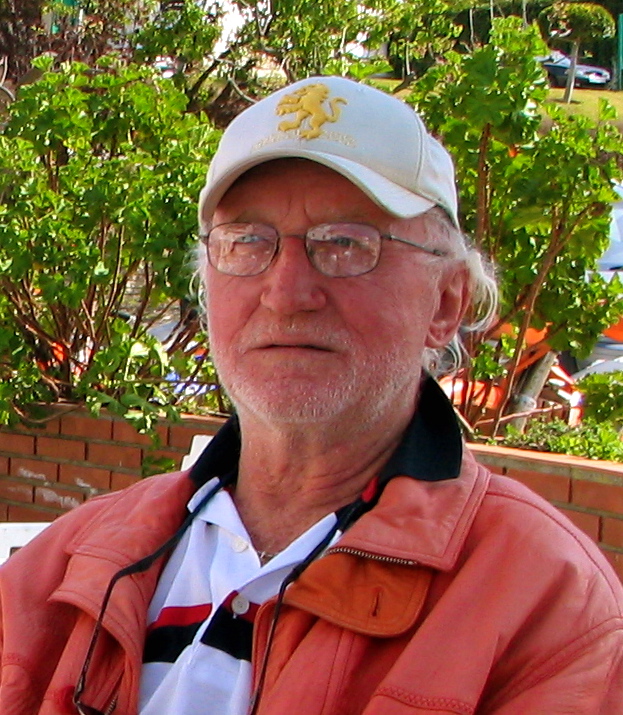
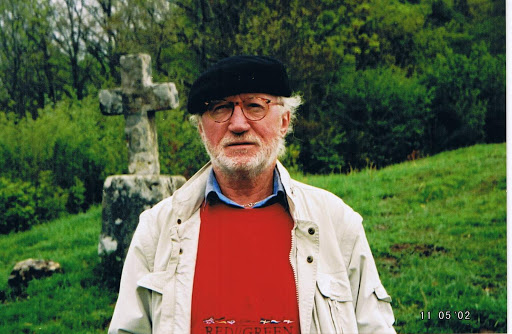
Kalle Jaurup (January 13, 1934 – October 23, 2007)
Calle Montsegur (May 11, 2002)
This is such a strange process, tracking down past lives and rebirths. Until I saw Lars Muhl’s film, The Seer, I’d never even heard of Calle Montségur. Now I have a new focus.
This chart is rectified to highlight the serious accident he had as a child (6 years old), Mars conjunct Saturn in Aquarius. By his own admission, he didn’t want to be in this life, and the bike accident (steel horse) was the echo of his death in a previous life. This time he was born in Aarhus, Denmark, the same place where Lars Muhl was born 16 years later. (Was there something in the water?)
There are too many inconjuncts to focus on for this post, so I will just concentrate on the two connected Yods instead: Pluto inconjunct Venus inconjunct Ascendant; and Venus inconjunct Ascendant inconjunct Uranus. The Venus Yod hints at the need to be Love, while the Ascendant Yod points to this life being the time to do that. His healing ability seems to come from those Yods. On second thought, I need to look at those other inconjuncts, too. His 12th House Neptune in Virgo is inconjunct his Mars (accident), while his 4th House Mercury in Capricorn is inconjunct the Midheaven purpose/career.
If Calle was meant to succeed in this lifetime, he needed to be a channel for healing the world, one person at a time. At the same time, he had to pass on the things that he’d learned to a disciple. Lars Muhl is that person. Now he will live on in our minds forever.
Calle’s death chart is randomized. I just wanted to let you see how his life’s work was completed by then. I won’t combine his birth and death charts, because I want to show you something else, instead. Remember what I wrote yesterday about Nostradamus being the original Seer? Well, then it struck me, Calle is one of a Seer-ies.
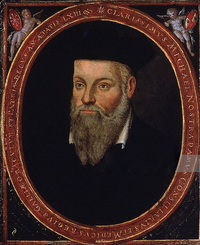
Michel de Nostredame (December 14, 1503 – July 2, 1566)
I’ve written about Nostradamus before. But I never thought about trying to do his birth chart, until today. (You might call it an inspired decision.)
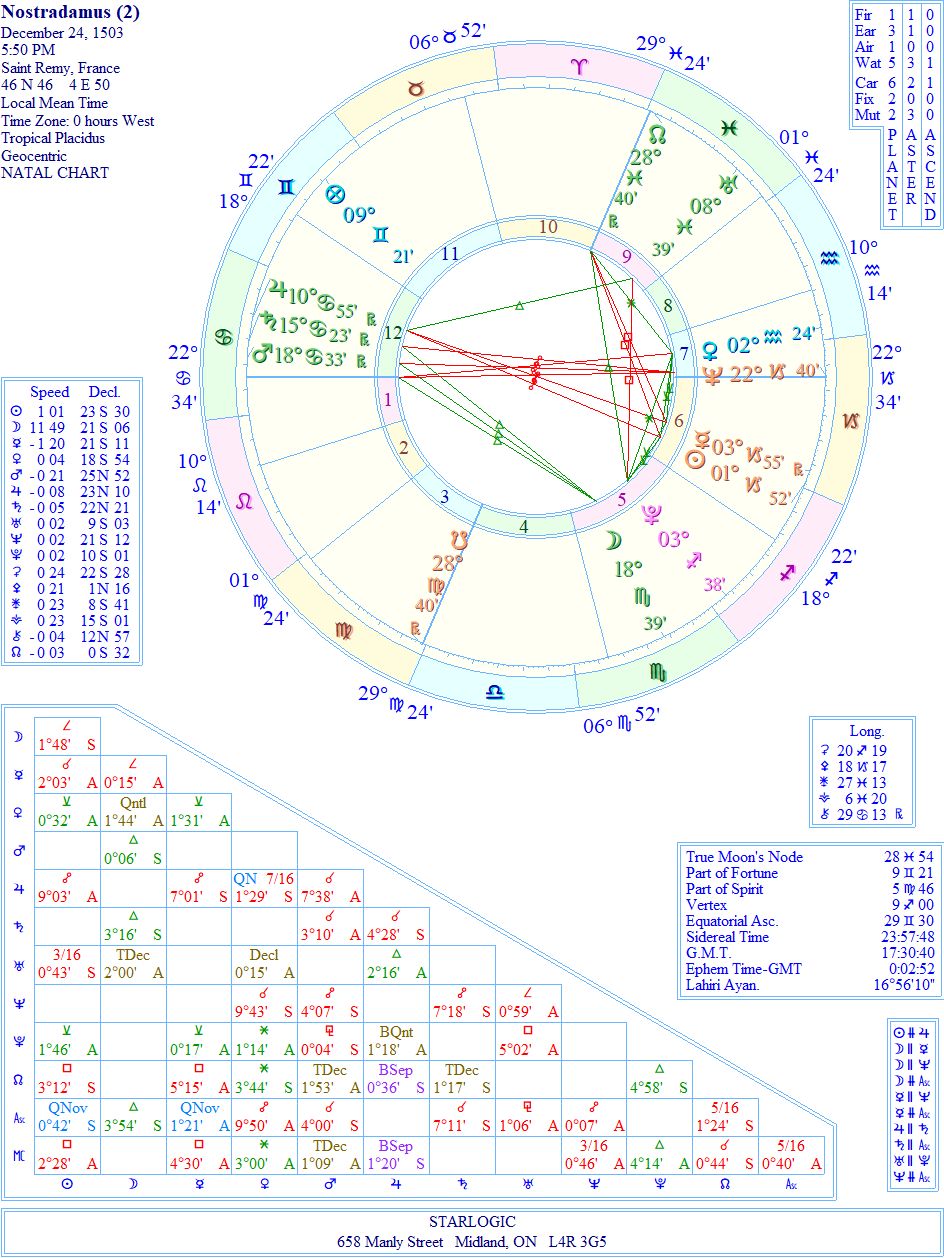
All the astrology sites (and my Kepler 7.0 program) have a birth time of 12 noon. Obviously, no one actually knows what the time should be. But I have rectified his chart (which is why it’s named [2]) based on his age when he was first married (Venus @ 28) and when he first wrote his almanac (Uranus @ 47). Having Neptune on his Descendant makes perfect sense, to me, at least. A stellium of three planets (Mars, Jupiter and Saturn) near conjunction to his Cancer Rising sign (but still in the 12th House of the ‘unseen realm’) means that his psychic abilities would have been fueled by the Moon. The Moon is in Scorpio and trine to his Mars/Saturn/Ascendant conjunction.
Now let’s look at his death chart:
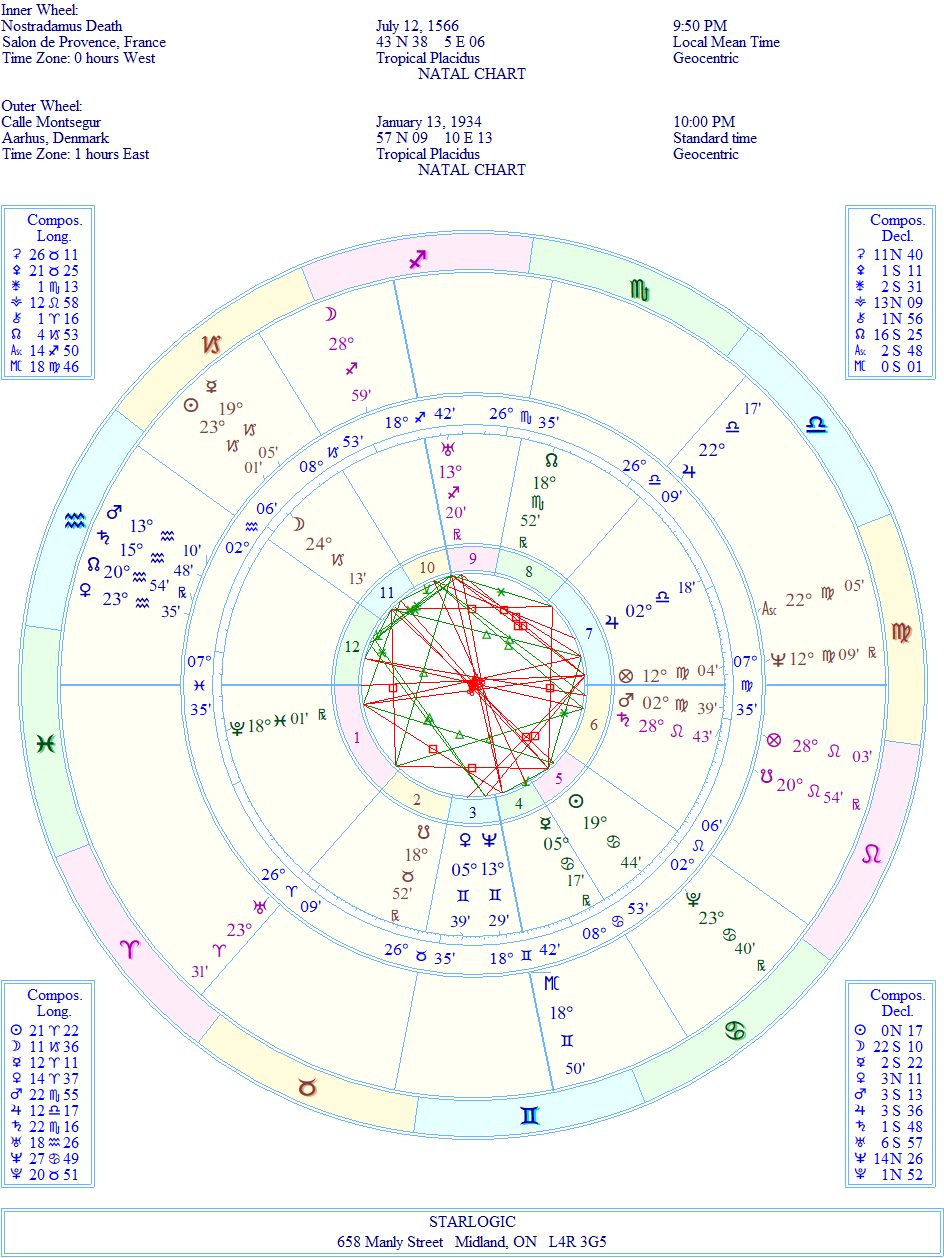
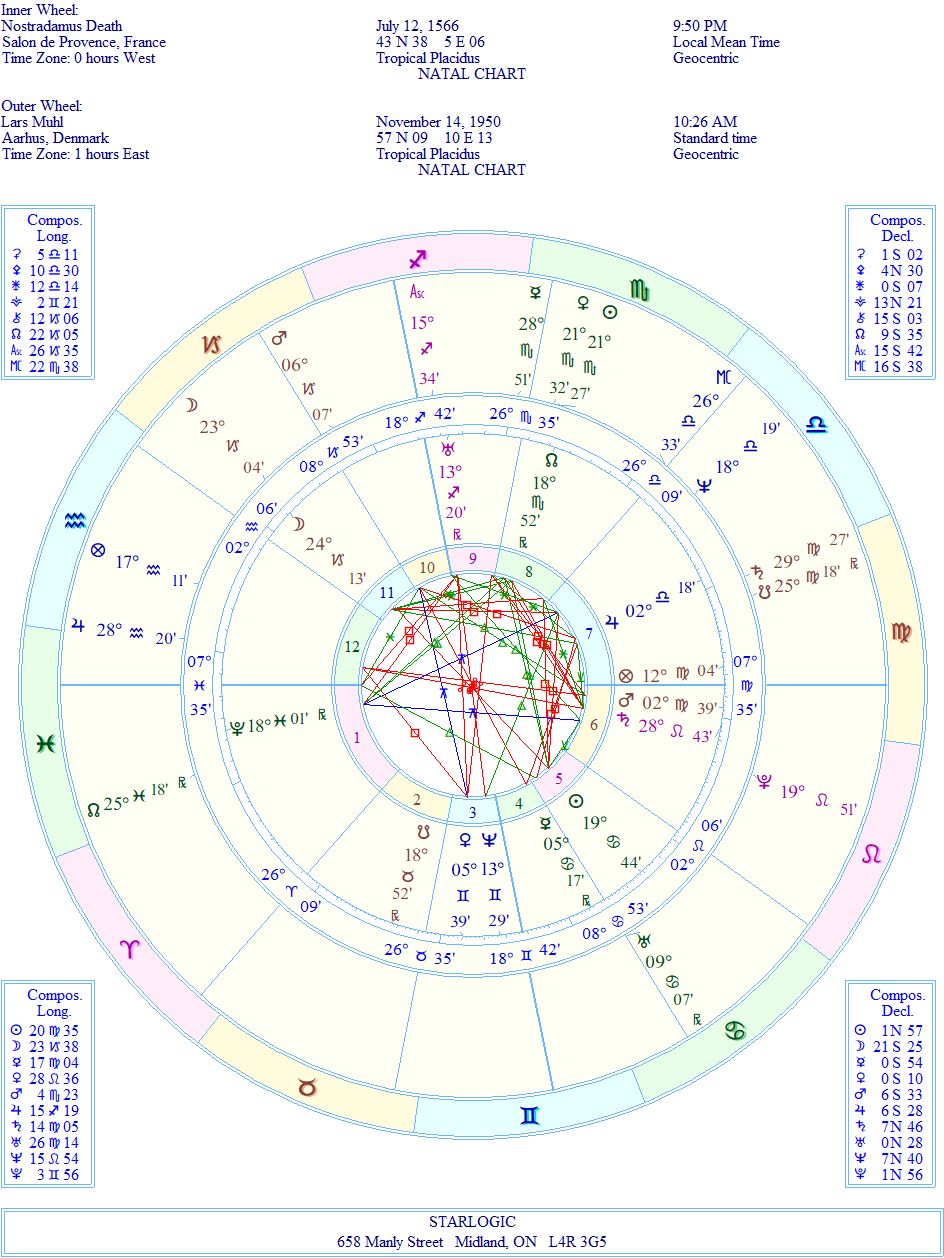
This was originally randomized, and then I saw some symmetrical aspects which would make the chart significant for Nostradamus’ death. Instead of the Mars/Saturn conjunction being in the ‘natal’ 12th House (conjunct to his birth Ascendant), now it’s in the ‘fatal’ 6th House (conjunct to his death Descendant). And the ‘fatal’ Midheaven is now almost conjunct my own Ascendant, inconjunct to his ‘fatal’ Sun. (I’m seeing my own reflection here.) But the inspired part is my ‘seeing’ the fact that Nostradamus may have returned as Lars Muhl.
I think the conjunct Moons are the linking “Seer” energies. And the Yod from Lars’ Neptune and Pluto, pointing at Nostradamus’ Pluto, echoes the Yod in the 1997 solar eclipse chart when compared with Lars’ birth chart. Where Nostradamus’ Pluto is (here in this chart comparison) was occupied by the eclipse’s Sun/Moon/Mercury conjunction.